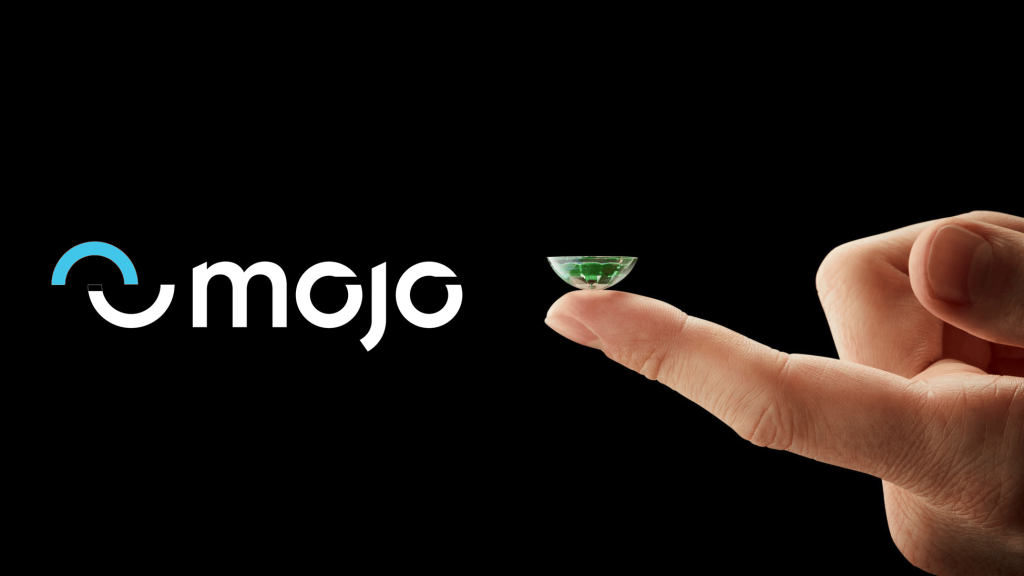
Imagine a world where digital information seamlessly integrates with your natural vision, all through a contact lens. Mojo Vision, a California-based startup, has been pioneering this concept with their Mojo Lens—an AR-enabled contact lens that promises to revolutionize how we perceive and interact with digital content.
Design and Technology
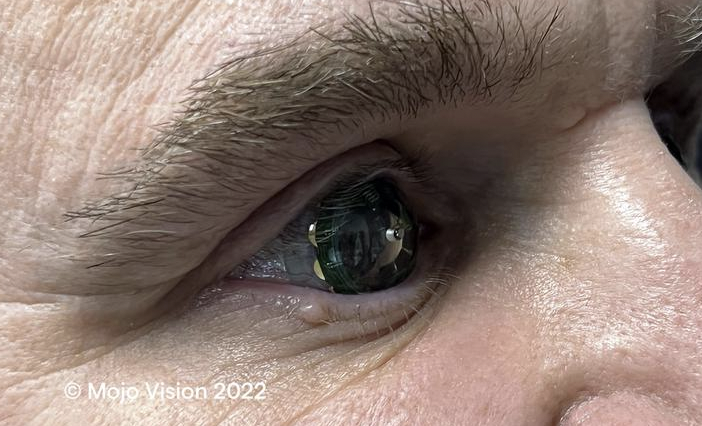
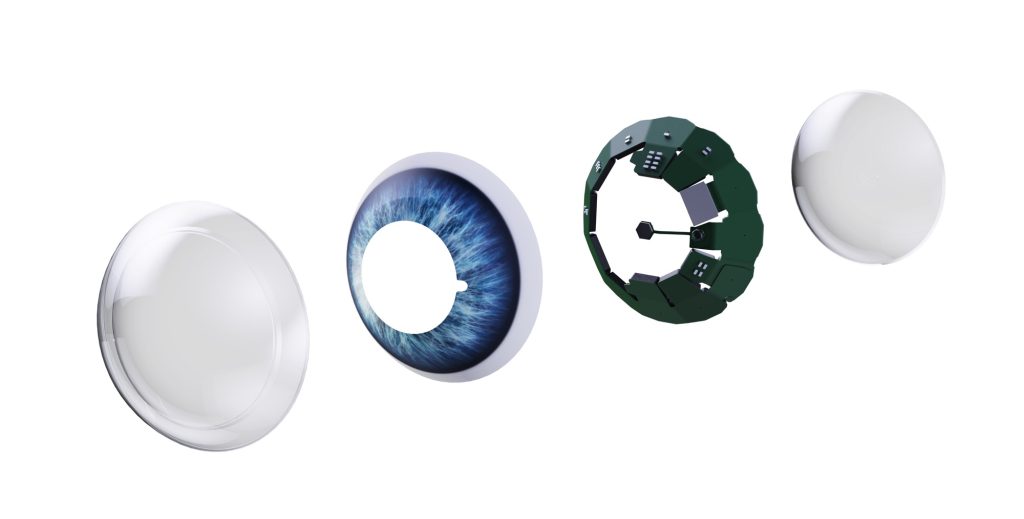
At the heart of the Mojo Lens is a micro-LED display, touted as the world’s smallest and densest, measuring less than 0.5 millimeters in diameter with a pixel density of 14,000 pixels per inch. This display projects crisp, monochromatic green images directly onto the user’s retina, providing real-time data overlays without obstructing natural vision.
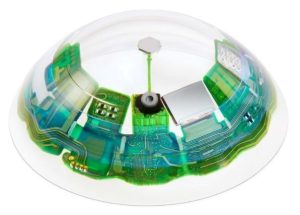
The lens incorporates an array of advanced technologies, including:
- Custom Application-Specific Integrated Circuit (ASIC): This component manages data processing and wireless communication, ensuring low-latency interactions essential for AR applications.
- Eye-Tracking Sensors: Integrated sensors monitor eye movements, enabling intuitive control and interaction with AR content through natural eye gestures.
- Wireless Power and Communication: The lens is designed to operate wirelessly, receiving power and transmitting data without the need for bulky external equipment.
Development Milestones
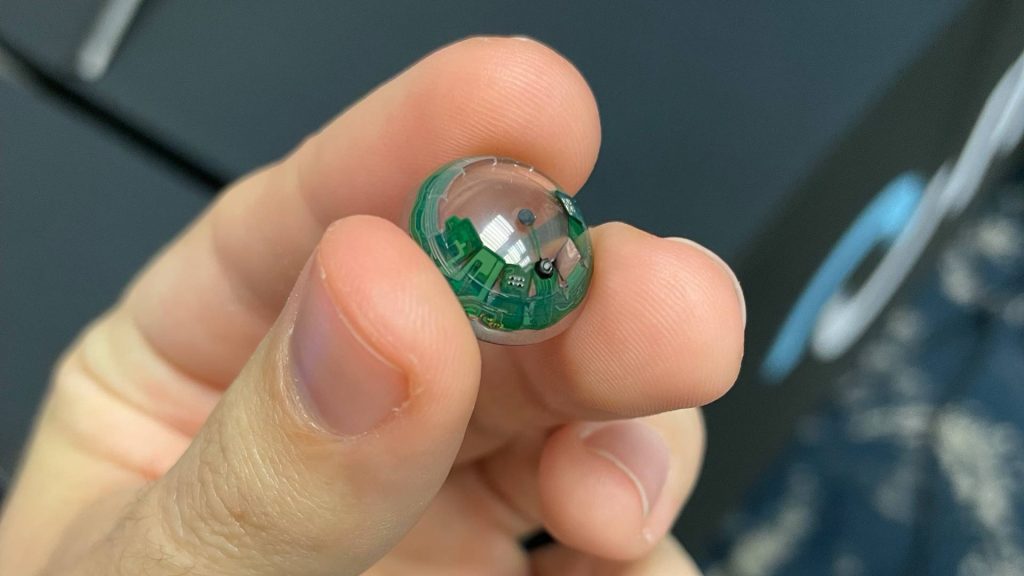
Mojo Vision has made significant strides in the development of the Mojo Lens:
- Prototype Demonstrations: In 2022, the company showcased functional prototypes, allowing users to experience basic AR overlays and real-time data displays.
- Clinical Testing: By mid-2022, Mojo Vision’s CEO, Drew Perkins, became the first individual to wear a fully functional prototype, marking a pivotal moment in the lens’s development.
- Shift in Focus: In January 2023, Mojo Vision announced a strategic pivot to concentrate on Micro LED display technology, leveraging their expertise to address broader applications beyond contact lenses.
Potential Applications
The Mojo Lens holds promise across various sectors:
- Medical Use: For individuals with visual impairments, the lens could enhance contrast and provide real-time edge detection, improving mobility and independence.
- Professional Environments: Workers in fields requiring hands-free access to information—such as surgeons, engineers, or technicians—could benefit from unobtrusive data overlays, enhancing efficiency and safety.
- Everyday Consumer Use: From real-time translations to navigation assistance, the lens could offer a plethora of applications, seamlessly integrating digital conveniences into daily life.
Challenges and Considerations
Despite its groundbreaking potential, the Mojo Lens faces several challenges:
- Regulatory Approval: Navigating the stringent requirements of medical device approvals, particularly from bodies like the FDA, is a complex and time-consuming process.
- Technical Hurdles: Ensuring consistent wireless power delivery, data security, and user comfort are critical factors that require meticulous engineering.
- Privacy Concerns: The ability to discreetly access and potentially record information raises ethical questions about consent and data protection.
Conclusion
The Mojo Vision Lens AR represents a bold leap toward a future where augmented reality is not just an external overlay but an intrinsic part of our visual experience. While significant challenges remain, the progress made by Mojo Vision underscores the transformative potential of integrating digital information directly into our line of sight.
For a more in-depth understanding, you might find the following video insightful: