Introduction
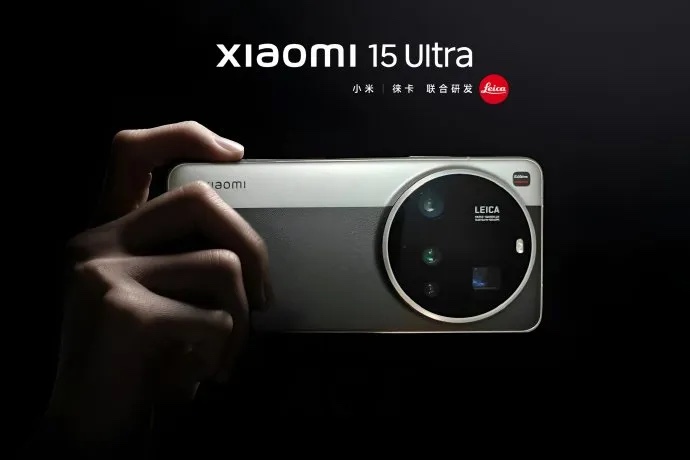
The Xiaomi 15 Ultra is shaping up to be one of the most exciting smartphone releases of 2025. Xiaomi’s partnership with Leica continues, promising a next-generation camera system, premium design, and top-tier performance. While the official launch is expected on February 26, 2025, in China, with a global debut at MWC 2025 (March 3-6), we already have a solid picture of what to expect.
However, there’s a common misconception about the “Leica camera” on Xiaomi phones—many assume that Leica builds the camera from scratch, which is not true. Leica does not manufacture camera sensors, but rather collaborates on lens design, image processing, and color science, ensuring that Xiaomi’s cameras deliver a signature “Leica look” with optimized software tuning and high-end optics.
Let’s dive into all the leaks, specs, and expectations for the Xiaomi 15 Ultra.
Leaked Specifications
• Display: 6.8-inch LTPO AMOLED, 2K resolution, 120Hz refresh rate
• Processor: Qualcomm Snapdragon 8 Elite
• RAM & Storage: 12GB / 16GB RAM, 256GB / 512GB / 1TB UFS 4.0
Leica Camera System:
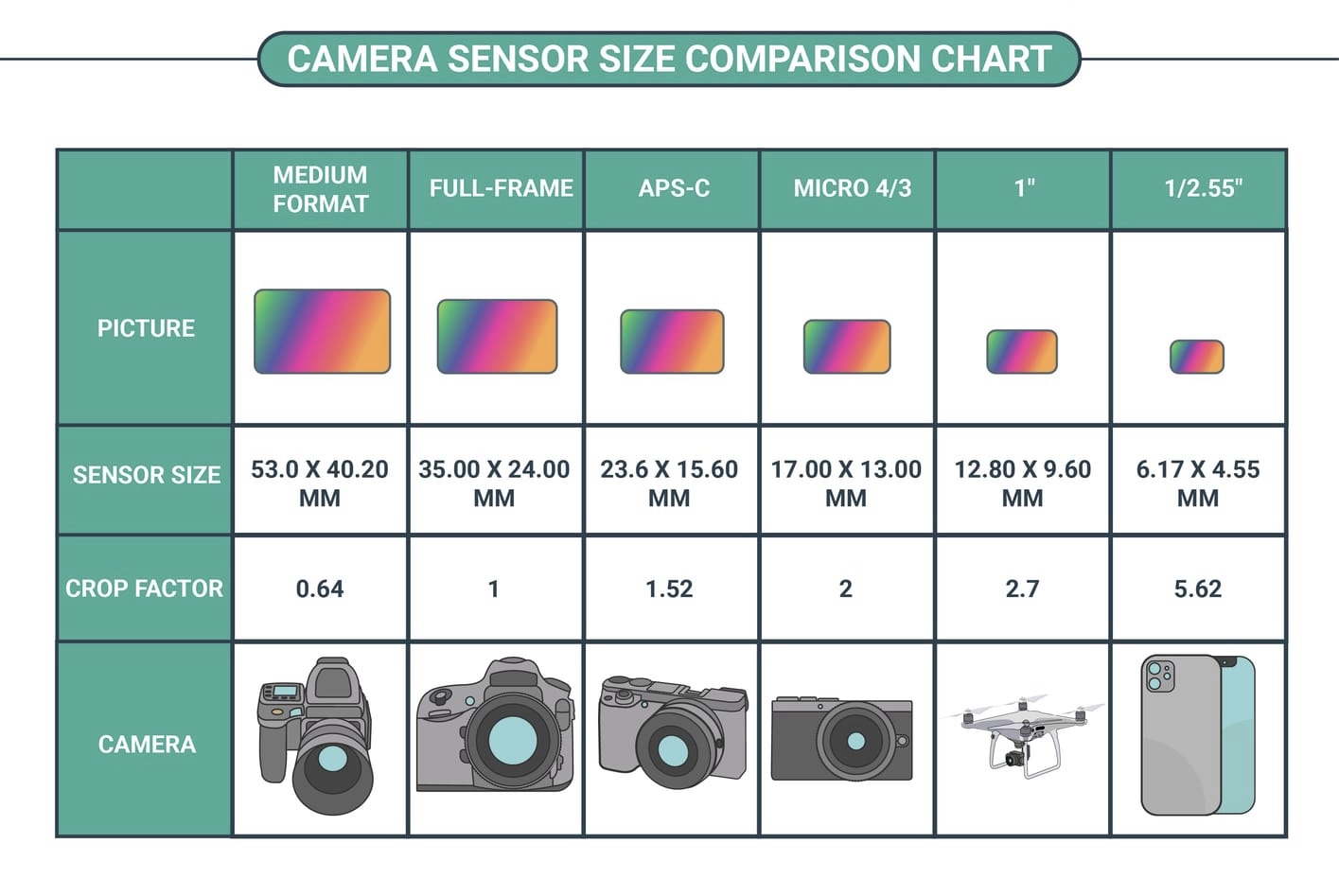
• Main Sensor: 50MP Sony Lytia LYT-900 (1-inch sensor, f/1.6)
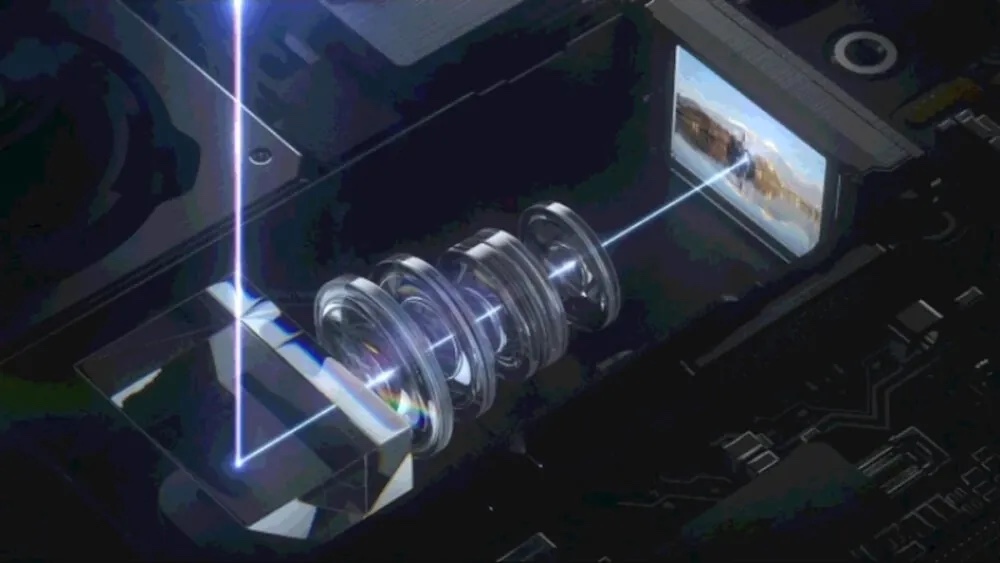
• Periscope Telephoto: 200MP Samsung ISOCELL HP9 (4.3x optical zoom)
• Portrait Telephoto: 50MP Sony IMX858
• Ultra-Wide: 50MP Samsung ISOCELL JN5 (115° FOV)
• Front Camera: 32MP (rumored)
• Battery: 6000mAh, 90W wired charging, 50W wireless charging
• Operating System: HyperOS 2.0 (based on Android 15)
• Special Features: Satellite communication, eSIM support, IP68 water resistance
Understanding the Xiaomi-Leica Collaboration – What Makes This a “Leica Camera”?
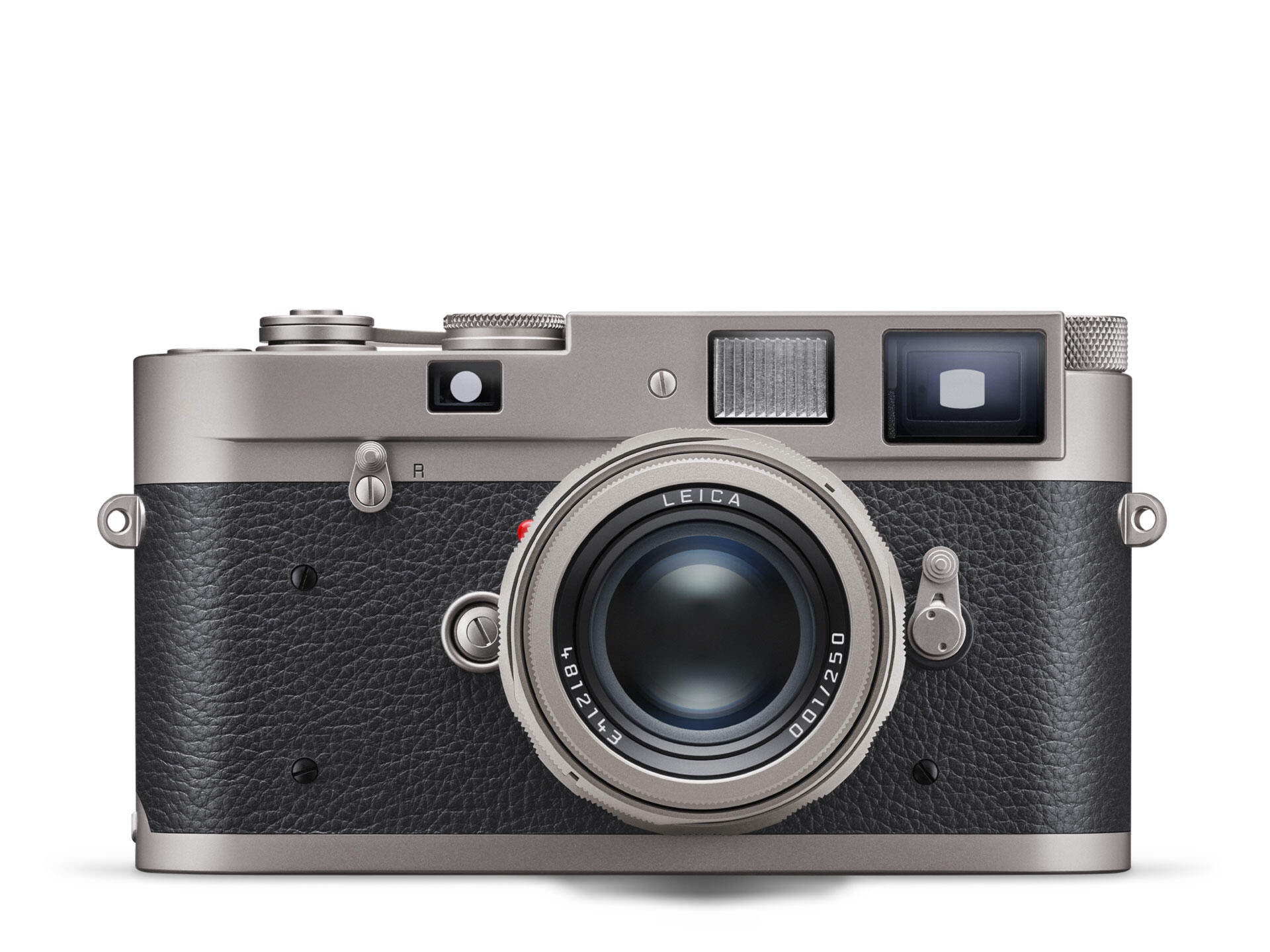
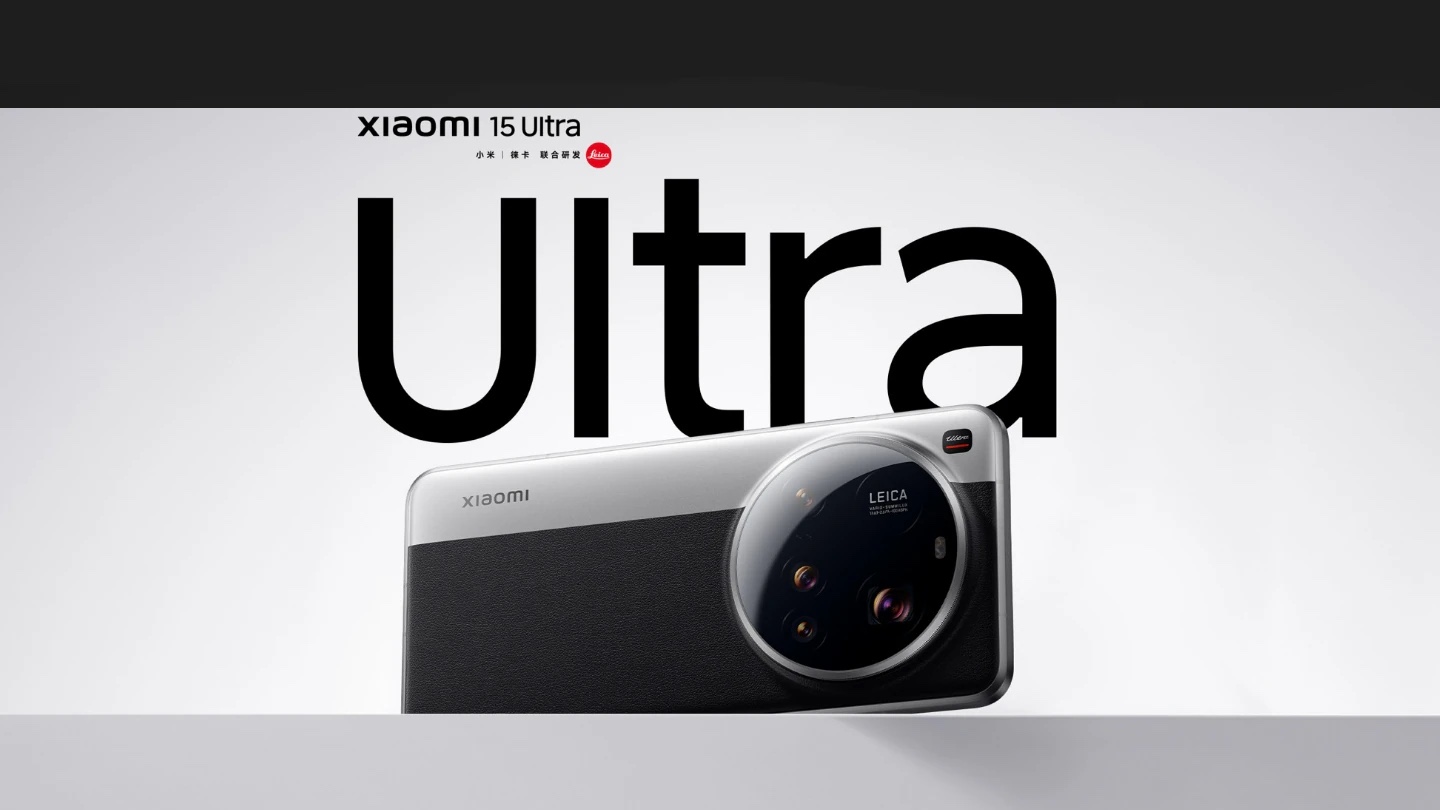
One of the biggest misconceptions is that Xiaomi 15 Ultra’s camera is “made by Leica.” In reality, Leica contributes in three key areas:
1. Optics & Lens Design
Leica works with Xiaomi to develop and fine-tune the lens elements, ensuring superior sharpness, minimal distortion, and high light transmission. The lenses are coated to reduce reflections and improve contrast, mimicking the optical quality of Leica’s high-end cameras.
2. Image Processing & Color Science
Leica plays a crucial role in defining the image processing pipeline, ensuring that colors, dynamic range, and contrast align with its signature Leica Look. Users can typically choose between:
• Leica Authentic Mode – Produces natural, true-to-life tones.
• Leica Vibrant Mode – Enhances colors while maintaining realism.
3. Computational Photography & Software Optimization
Leica helps Xiaomi develop custom tuning for HDR, night mode, and computational photography, ensuring that images look professional right out of the camera.
So, while the image sensors come from Sony and Samsung, it’s Leica’s expertise in lens design, color processing, and software tuning that makes this a “Leica camera.”
Design & Display – Classic Leica Aesthetics?
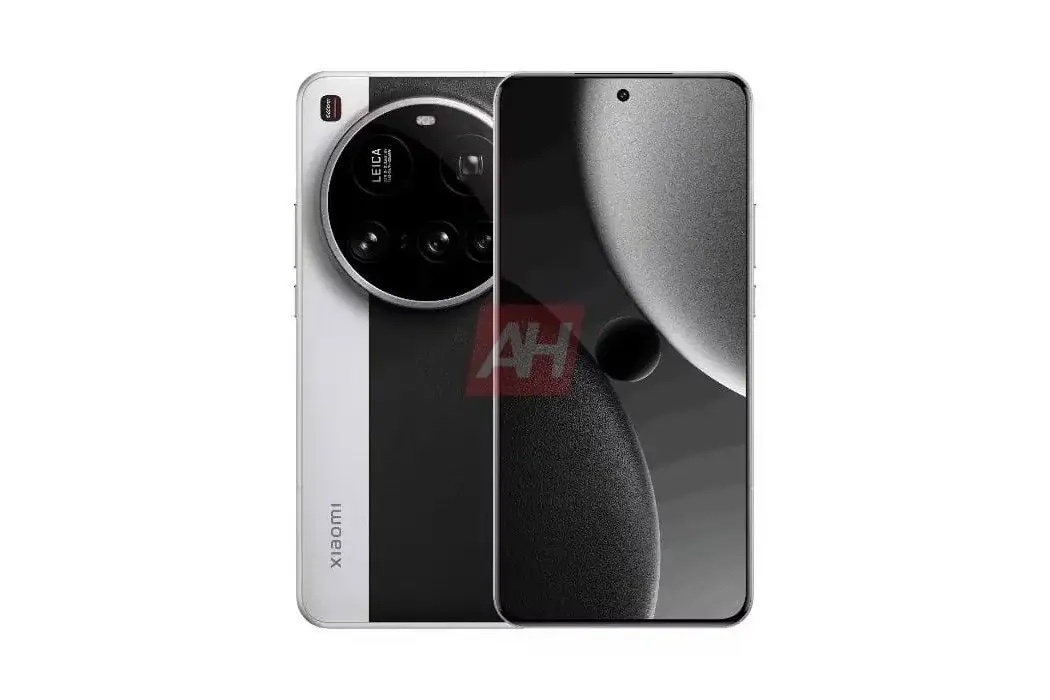
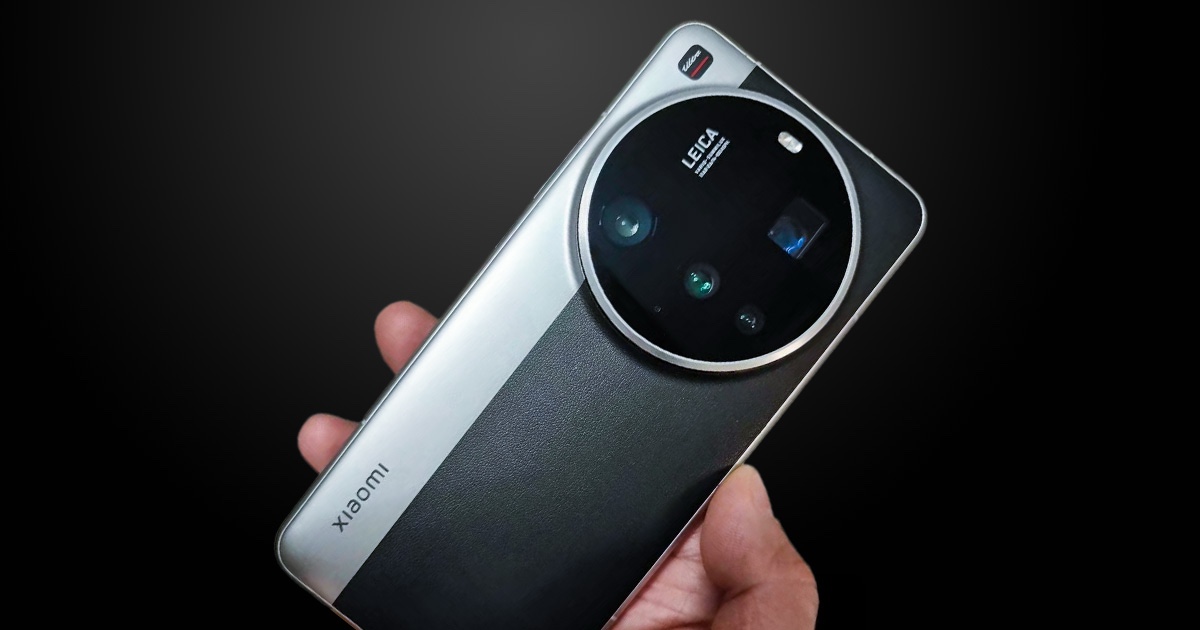
Leaked renders suggest Xiaomi is refining the Ultra’s design with a more premium and sophisticated build. The circular camera module remains, reinforcing the Leica branding, and a two-tone finish (possibly metal and eco-leather) could further evoke a classic Leica rangefinder camera.
The 6.8-inch LTPO AMOLED display is expected to feature a 2K resolution and a 120Hz refresh rate, offering a smooth, high-resolution viewing experience. Some sources claim that Xiaomi is using a next-gen ultra-bright OLED panel with peak brightness exceeding 3000 nits, making it one of the brightest smartphone screens on the market.
Performance – Snapdragon 8 Elite & AI Power
The Snapdragon 8 Elite chipset (the next evolution of Snapdragon 8 Gen 3) is at the core of the Xiaomi 15 Ultra, delivering:
• Improved AI-powered photography for enhanced image processing.
• Increased GPU performance for better gaming and graphics rendering.
• Optimized power efficiency for longer battery life.
With up to 16GB of LPDDR5X RAM and UFS 4.0 storage, this phone will be one of the fastest and most powerful Android devices of 2025.
Battery & Charging – A Long-Lasting Powerhouse
A flagship this powerful needs a big battery, and according to leaks, Xiaomi has equipped the 15 Ultra with a 6000mAh battery, offering:
• 90W wired charging – Expect a full charge in around 30 minutes.
• 50W wireless charging – One of the fastest wireless charging speeds on the market.
• Reverse wireless charging support – Charge earbuds or smartwatches on the go.
With HyperOS 2.0 optimizations, battery life should be significantly better than its predecessor, ensuring all-day use.
Software & Extra Features – HyperOS 2.0 & Satellite Communication
Xiaomi’s new HyperOS 2.0, based on Android 15, will introduce:
• A redesigned UI for better multitasking.
• AI-driven optimizations for speed and efficiency.
• New camera processing algorithms tuned by Leica.
Some rumored extra features:
• Satellite Communication – Emergency messaging even when there’s no network.
• eSIM Support – More flexibility for global travelers.
• IP68 Certification – Full dust and water resistance.
Launch Date & Pricing Expectations
• China Launch: February 26, 2025
• Global Launch (MWC 2025): March 3-6, 2025
• Expected Price: $1,199 – $1,299
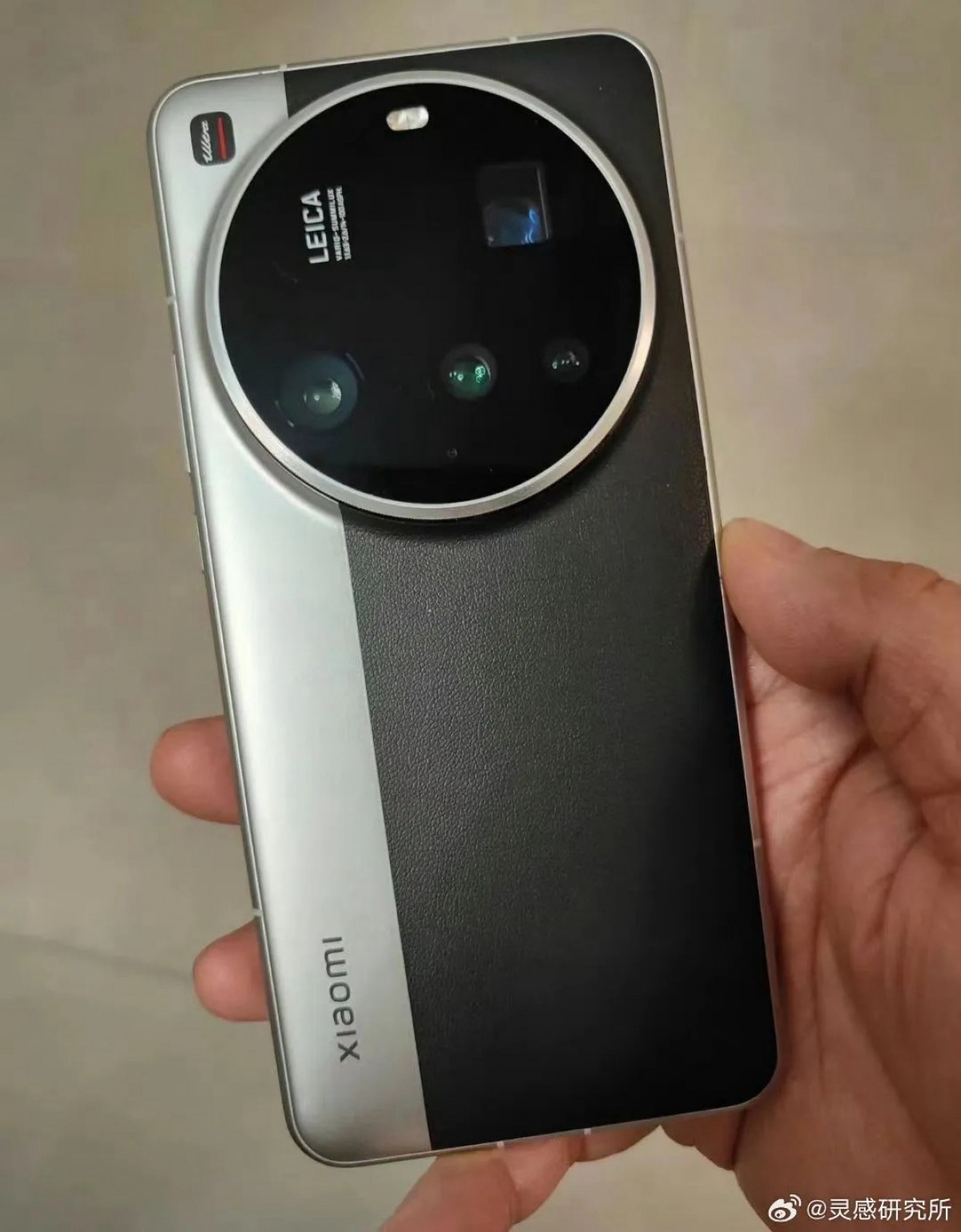
Xiaomi 15 Ultra’s “200MP Periscope” – Is It Real or Just Marketing?
Xiaomi 15 Ultra’s camera setup sounds impressive—a 200MP periscope zoom, a 50MP ultra-wide, a 50MP portrait telephoto, and a 50MP main camera. But what does that actually mean? Are you really getting 200MP zoom shots or 50MP images from every lens?
Let’s break down the truth behind these numbers and what you can really expect.
Is Xiaomi’s 200MP Periscope Zoom Actually 200MP?
Short answer: No.
• The Samsung ISOCELL HP9 sensor inside the periscope telephoto lens technically has 200MP, but you won’t be taking true 200MP zoom photos.
• Instead, Xiaomi uses pixel binning—combining multiple tiny pixels into larger ones to improve detail, low-light performance, and dynamic range.
• The actual output is usually 12.5MP or 50MP, depending on the shooting mode.
How Xiaomi Uses This for Zoom
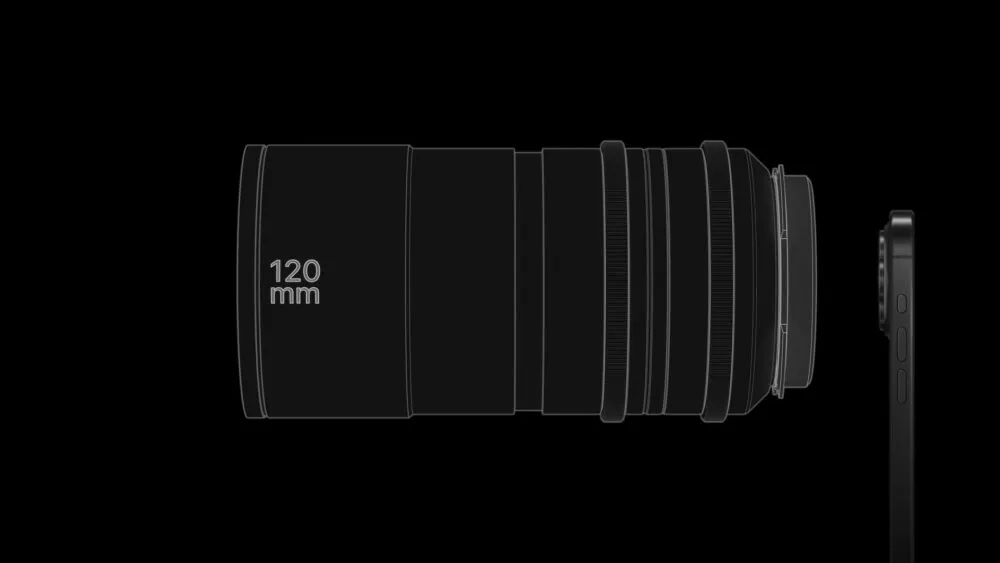
• The periscope lens itself is only 4.3x optical zoom—not 10x or more.
• Instead of relying purely on optical zoom, Xiaomi crops into the 200MP sensor to provide high-quality hybrid zoom (e.g., 5x, 10x, or even 20x).
• AI-powered upscaling and Leica’s image processing help reconstruct details, making zoomed-in shots look sharper.
So, Is It Really a 200MP Telephoto?
No, it’s not a true 200MP periscope camera. Instead, it’s a smart use of high-resolution sensors, AI processing, and pixel binning to improve zoom performance. You won’t see actual 200MP images—but you will get sharper, more detailed zoom shots.
Why Do All Cameras Have “50MP” Sensors?
Xiaomi 15 Ultra’s main, ultra-wide, and portrait telephoto cameras all use 50MP sensors, but they don’t always output 50MP images.
Here’s why:
1. Main Camera – 50MP Sony Lytia LYT-900
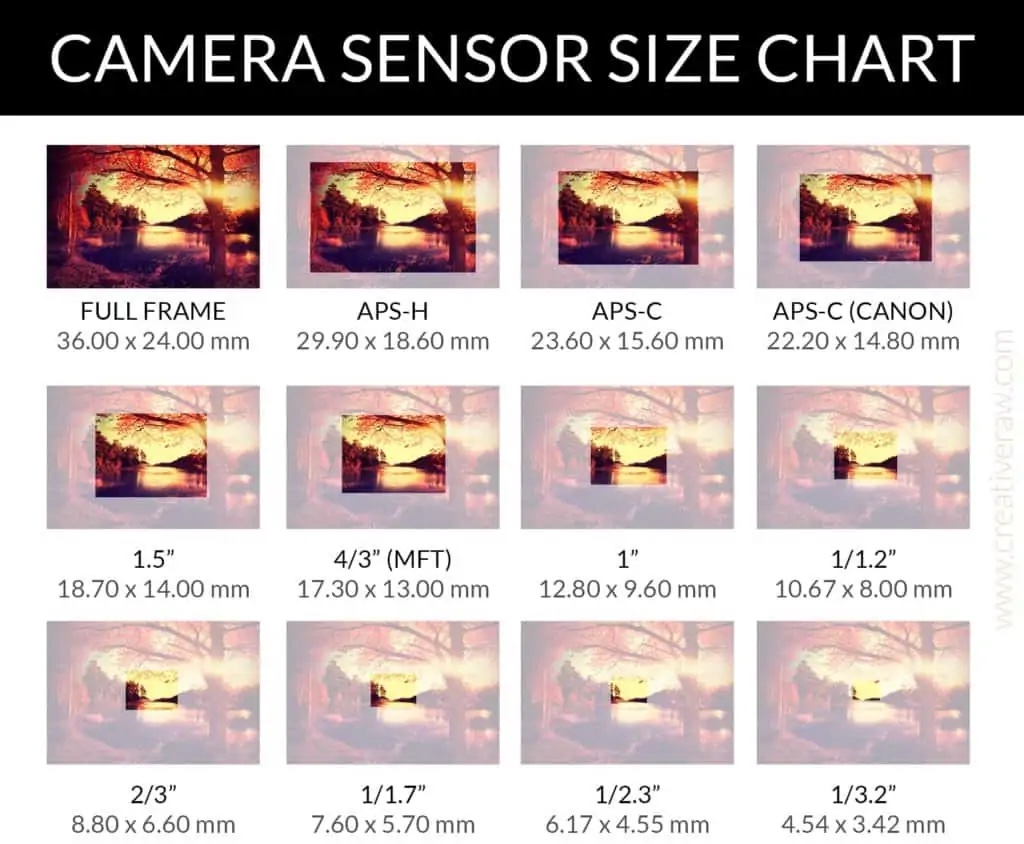
• A 1-inch sensor with large pixels for excellent low-light performance.
• Uses pixel binning (combining pixels for better image quality).
• Outputs 12.5MP or 50MP images, depending on the mode.
2. Portrait Telephoto – 50MP Sony IMX858
• Designed for portraits and 2x/3x zoom shots.
• Leica’s color tuning makes skin tones more natural.
• Outputs 50MP or pixel-binned 12.5MP images for better clarity.
3. Ultra-Wide – 50MP Samsung ISOCELL JN5
• 115° field of view for wide-angle shots.
• Uses AI distortion correction to keep edges sharp.
• Outputs 50MP or 12.5MP pixel-binned images.
The Real Story: What’s Marketing & What’s Actually Useful?
📌 Xiaomi’s 200MP periscope camera doesn’t give you true 200MP zoom photos—instead, it uses cropping and AI to enhance hybrid zoom clarity.
📌 Every camera uses 50MP sensors, but they often output 12.5MP images through pixel binning to improve quality.
📌 Leica’s tuning affects lens performance, color science, and AI processing—but they don’t make the camera sensors.
Bottom line?
The megapixel numbers don’t tell the whole story. The Xiaomi 15 Ultra relies on a mix of smart sensor tech, AI-powered processing, and Leica’s software expertise to deliver some of the best mobile photography possible—but don’t expect true 200MP or full 50MP shots every time.
Final Verdict – What Is the Xiaomi 15 Ultra, Really?
The Xiaomi 15 Ultra is shaping up to be an exceptional flagship, but there’s a lot of marketing fluff that needs to be separated from the real technology behind it.
Is This a Leica Camera?
No. Leica does not manufacture camera sensors. Instead, they work with Xiaomi to:
✅ Design high-quality lenses with coatings that reduce glare and improve contrast.
✅ Fine-tune color science to match their signature Leica Authentic and Leica Vibrant profiles.
✅ Enhance AI processing to improve HDR, night mode, and image sharpness.
The camera hardware comes from Sony and Samsung, but Leica’s software tuning makes a difference in how images look. This is a Leica-optimized smartphone camera, not a true Leica camera.
Are We Really Getting 50MP and 200MP Photos?
No.
📌 The 200MP periscope camera doesn’t actually give you 200MP zoom photos—it uses pixel binning, AI processing, and sensor cropping to enhance zoom shots. Most zoom photos will be 12.5MP or 50MP hybrid images, not true 200MP.
📌 All other cameras have 50MP sensors, but again, they don’t always shoot at 50MP. By default, they output 12.5MP pixel-binned photos to improve light sensitivity, detail, and dynamic range. You can force 50MP mode, but it won’t always give you better results.
This is not a true 50MP or 200MP photography experience like on a professional Leica or Hasselblad camera—it’s a smartphone camera using high-resolution sensors for computational photography.
Is HyperOS Something New or Just Rebranded Android?
Mostly rebranded Android.
Xiaomi claims HyperOS 2.0 is a new ecosystem, but in reality, it’s still Android 15 with Xiaomi’s custom UI.
✅ It brings UI refinements, AI optimizations, and better system efficiency.
✅ It includes tighter integration with Xiaomi’s ecosystem of devices.
✅ It has new privacy controls, animation tweaks, and gaming optimizations.
But at its core, it’s still Android, just with some added Xiaomi polish. This is not a completely new OS like iOS or HarmonyOS, and it won’t feel fundamentally different from MIUI.
So, What Is the Xiaomi 15 Ultra?
The Xiaomi 15 Ultra is a powerful, well-optimized Android flagship that uses:
🔹 Sony & Samsung sensors with Leica’s lens & color science
🔹 Pixel binning & AI tricks to improve zoom & detail
🔹 HyperOS 2.0, which is still Android but with Xiaomi’s refinements
It’s not a Leica camera, not a true 50MP/200MP shooter, and not a brand-new OS. But it is one of the most advanced Android smartphones of 2025, offering top-tier photography, strong AI processing, and a premium design.
If you want the best smartphone camera experience with a Leica-inspired look and feel, the Xiaomi 15 Ultra will likely deliver. Just don’t expect it to be a real Leica or Hasselblad alternative.