

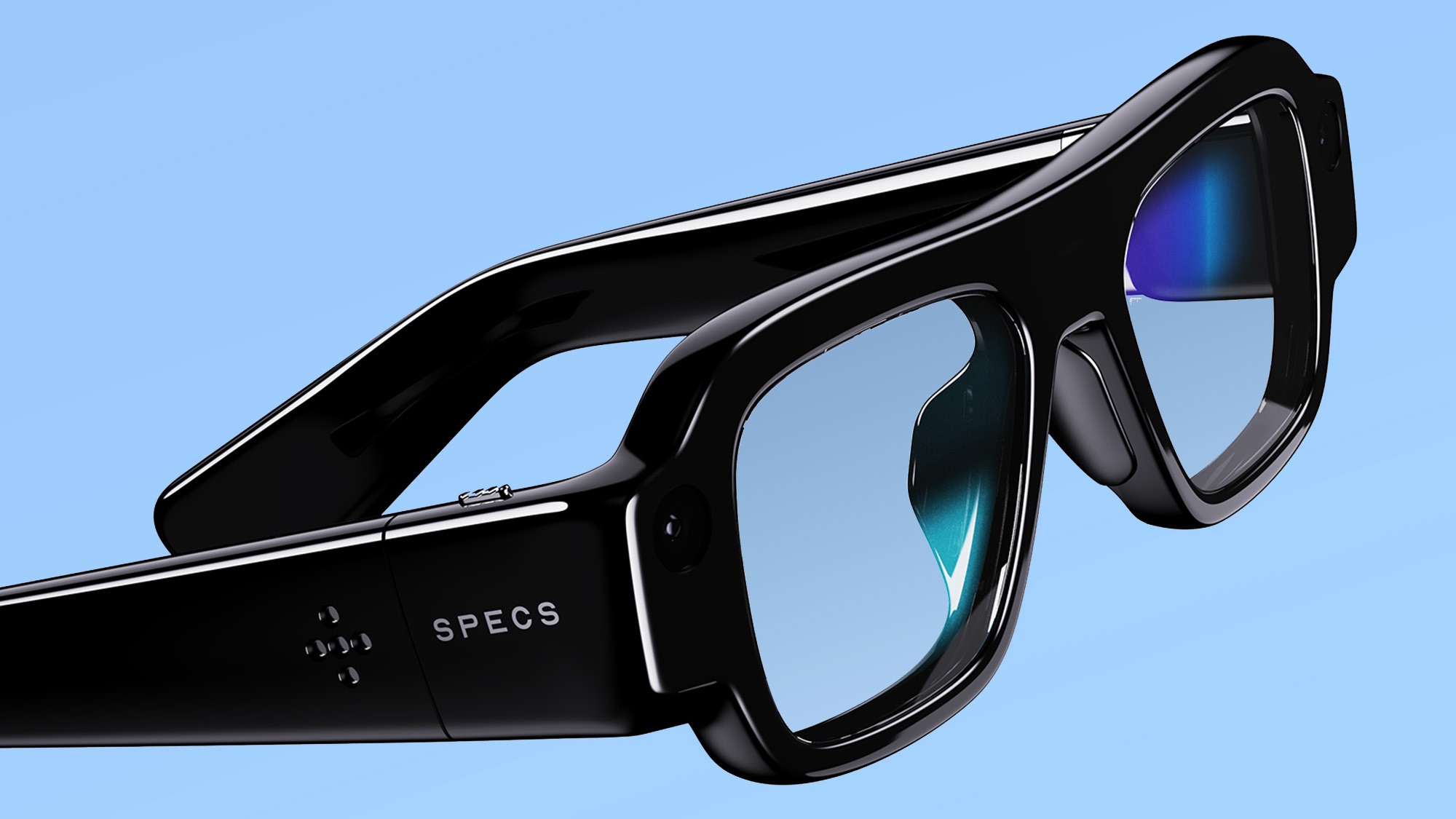
Snap is finally making its ultimate play for your face. After a decade of keeping its most ambitious augmented reality tech locked away in developer kits, the company has unveiled its first true consumer-ready standalone AR glasses.
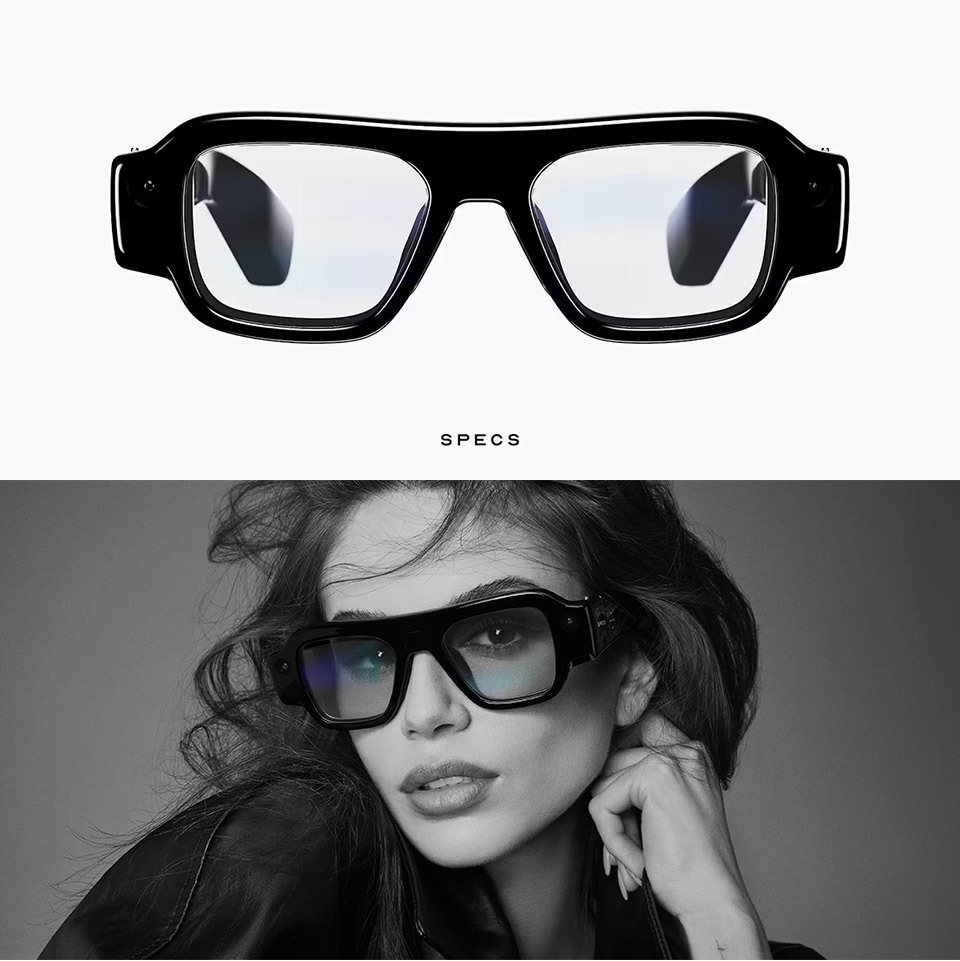
Simply named Specs, these glasses pack a staggering amount of computing power directly into their frames. There are no cables, no neckwear pucks, and no bulky headset straps required to run them.
For anyone who has been waiting for AR to move past silly filters and heavy ski-goggles, Snap might have just delivered the future of wearable computing.

What Happened
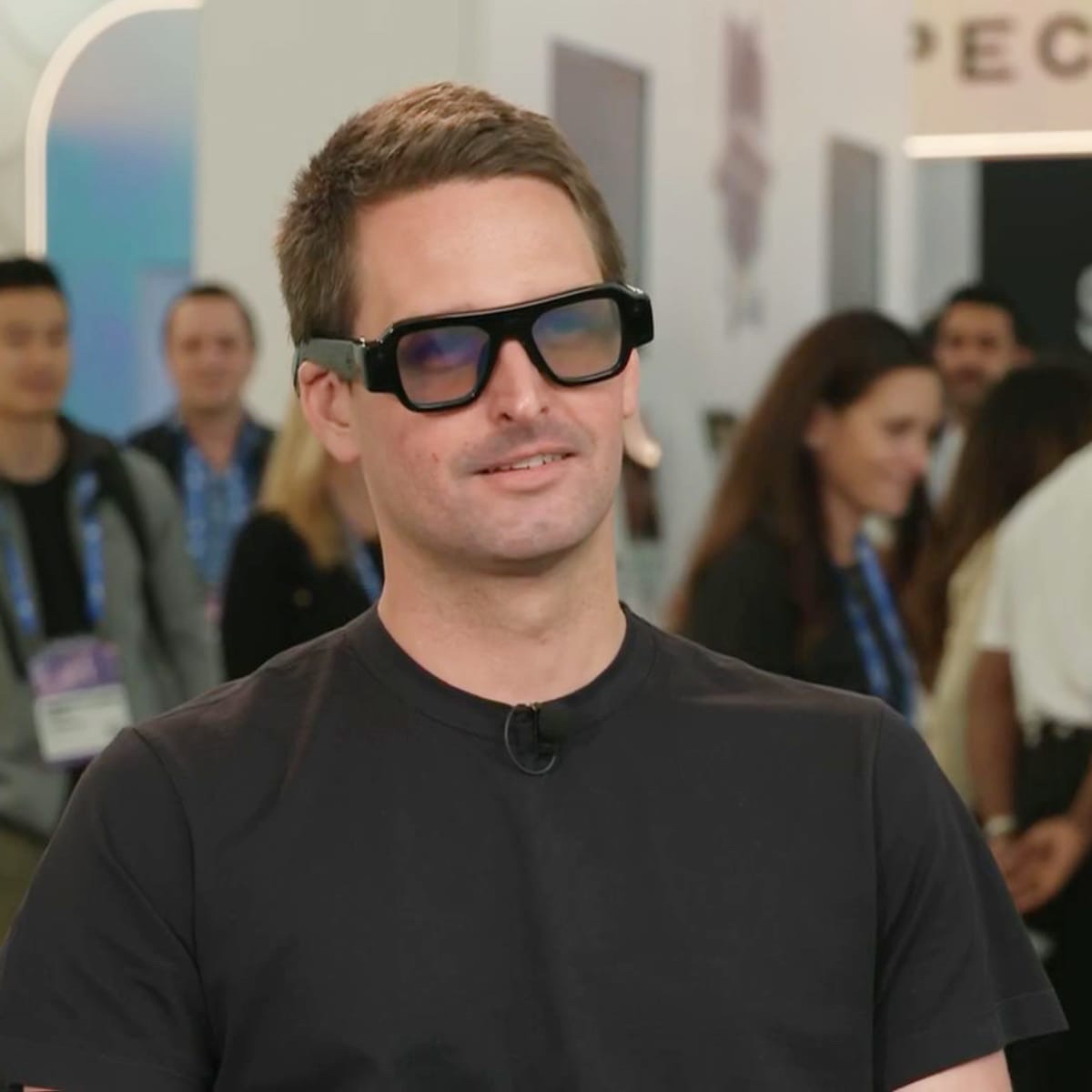
On June 16, 2026, Snap co-founder Evan Spiegel took the stage at the Augmented World Expo (AWE) 2026 in Long Beach, California. He officially introduced Specs, the sixth-generation wearable from the company and their official debut into the consumer AR market.
Unlike the fifth-generation developer models from 2024, Specs are now available for anyone to pre-order directly. To manage this massive launch, Snap established a dedicated subsidiary called Specs Inc. earlier this year, signaling a major long-term commitment to spatial hardware.
The glasses represent the culmination of ten years of prototyping, combining advanced waveguide optics with cutting-edge mobile processing to bring digital content seamlessly into the physical world.

Technical Details and Key Facts
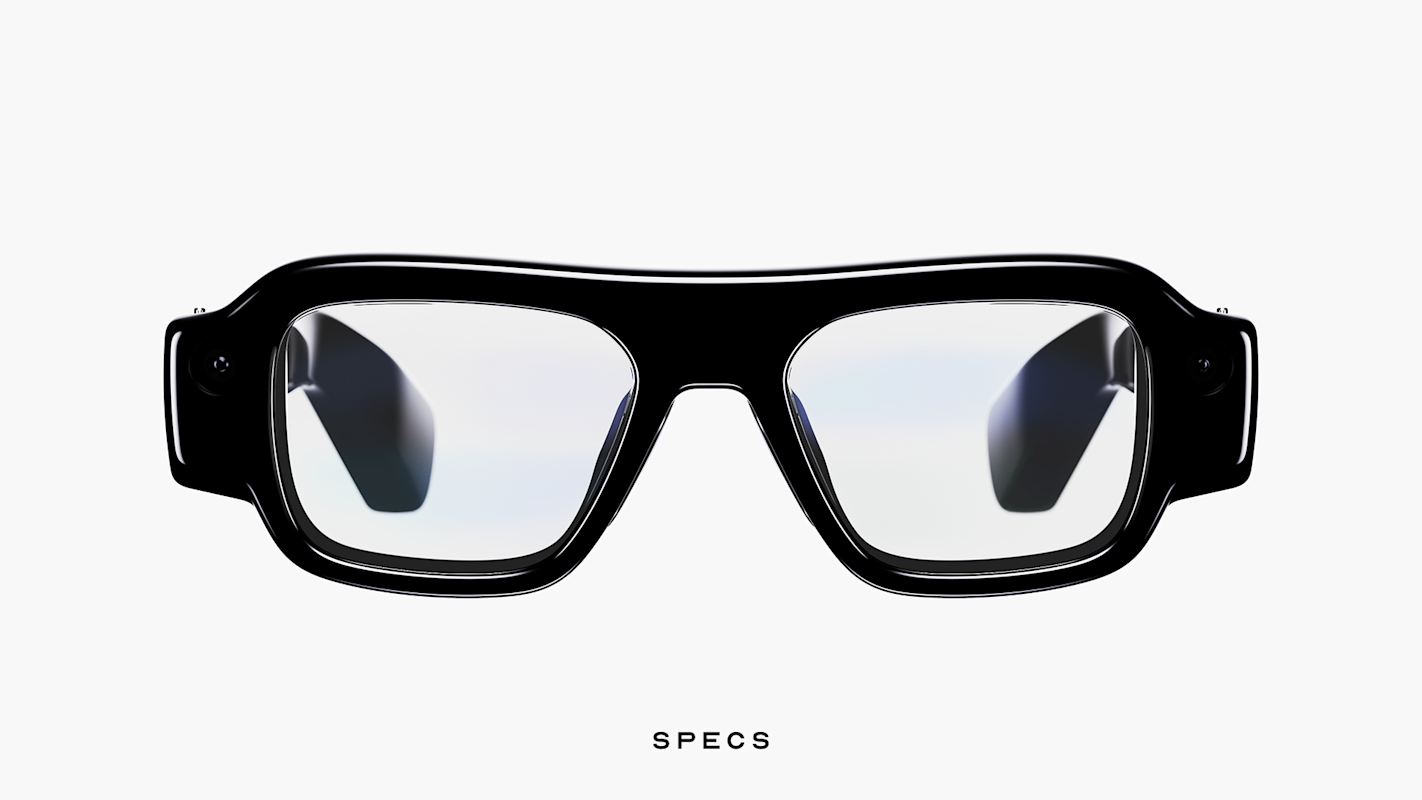
The defining feature of Specs is their total independence. The glasses function as a complete standalone computer, relying entirely on internal hardware to track hand gestures and render complex digital objects.
Snap has achieved an impressive 7-millisecond motion-to-photon latency, which virtually eliminates the motion sickness commonly associated with older AR devices. The display can project a virtual screen that scales dynamically based on your environment, adjusting from a focused 24-inch workspace to a massive 115-inch virtual theater screen.
Privacy has also been built into the hardware from day one. A prominent LED indicator bar on the front of the frame automatically illuminates whenever the built-in cameras are actively recording or processing environmental data.
Specifications
• Processor/chip: Dual Qualcomm Snapdragon processors with one dedicated to computer vision and another running AR experiences
• Screen: Proprietary liquid crystal on silicon see-through waveguide display featuring a 51-degree field of view, 16 million colors, and a 120Hz refresh rate
• Cameras/sensors: Integrated visible and infrared cameras optimized for spatial mapping and real-time hand tracking
• Memory/storage: Built-in high-speed storage optimized for standalone Snap OS execution
• Connection: Independent wireless connectivity with smartphone companion app support for devices running iOS 16+ and Android 12+
• Battery/charging: Up to 4 hours of mixed standalone use with an included smart charging case providing 4 additional full charges for 20 hours total
• OS/software: Snap OS leveraging machine learning for real-time surface, object, and spatial dimension recognition
• Weight/dimensions/materials: High-performance Swiss TR90 polymer frames available in Narrow Fit (47mm model at 132 grams) and Wide Fit (52mm model at 136 grams)
• Features: Electrochromic lenses transitioning from clear to tinted in 10 seconds, swappable prescription-ready inserts, custom stereo speakers, and 6x high-SNR MEMS microphones

Context and Importance
Specs are stepping into a violently competitive market, carving a niche right between Meta’s camera-equipped smart glasses and Apple’s heavy Vision Pro headset. While Meta offers comfort without true AR displays, and Apple offers immense power inside a heavy mask, Snap is aiming for the sweet spot of wearable, daily spatial computing.
By utilizing electrochromic glass that can transition from indoor clarity to outdoor tinting in just ten seconds, Snap is positioning Specs as a lifestyle product rather than an office accessory. The addition of full on-device machine learning allows these glasses to map floors, walls, and furniture instantly, making digital interactive elements feel physically present.
The stakes are incredibly high for Specs Inc. If consumers embrace a $2,000 pair of smart glasses, it will validate a decade of Spiegel’s hardware ambitions and establish a third major ecosystem alongside iOS and Android XR.

What Others Say
• “The new Specs feature massive dual-lens displays that give you a true, immersive AR field of view.” — tabGeeks
• “Specs are pitched at the wide open space between Meta’s smart glasses and Apple’s Vision Pro.” — RedShark News

Vs. the Competition
• Meta Ray-Ban: Significantly lighter and cheaper, but lacks any actual see-through AR screen or spatial interface.
• Apple Vision Pro: Far superior pass-through resolution and processing power, but requires a heavy tethered battery pack and an isolated ski-goggle form factor.
• Specs are ideal for tech enthusiasts and developers looking for a true, untethered AR experience built into standard-looking frames, while casual users should stick to lighter audio-only alternatives for now.
Cons
• Extremely high consumer entry price
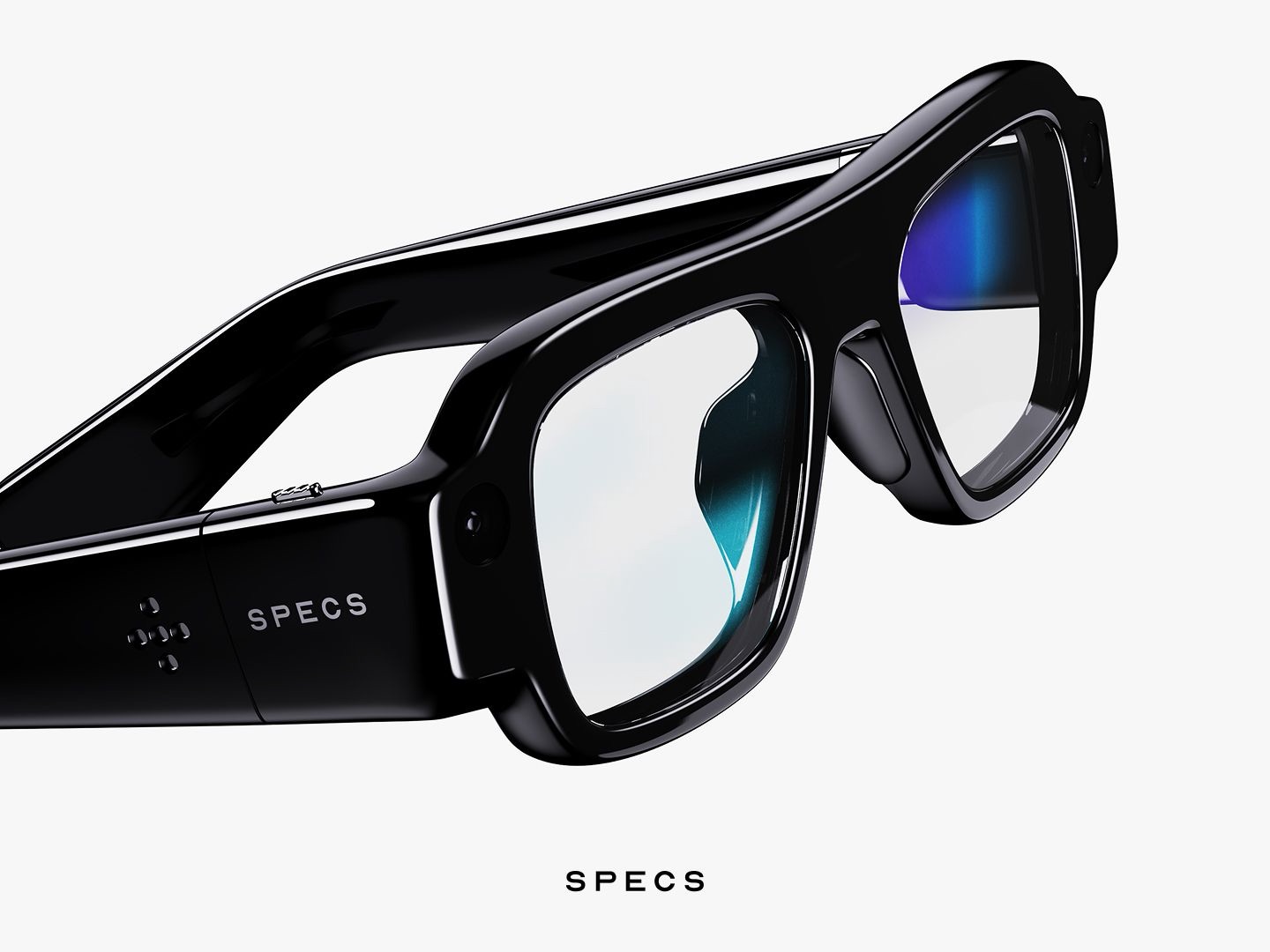
• Heavy frame design compared to traditional daily eyewear
• Limited 4-hour battery life during active standalone use

Price and Availability
$2,195 USD
• Price: $2,195 USD with a mandatory $200 refundable deposit required to lock in a pre-order reservation
• Where and when to buy: Available for pre-order now at SPECS.COM, with official product shipping scheduled to begin in Fall 2026
• Channels: Direct-to-consumer sales available initially across the United States, the United Kingdom, and France
FAQ
• How much do the new Snap Specs cost?
The glasses are priced at $2,195 USD, and reserving a pair requires a $200 refundable deposit at the time of pre-order.
• Can I use prescription lenses with Specs?
Yes, the glasses feature a modular design that accepts swappable, prescription-ready lens inserts fulfilled by a certified third-party optical partner.
• Do I need a smartphone or a pocket battery puck to run Specs?
No, Specs are completely standalone glasses powered by dual internal Snapdragon processors and built-in batteries, requiring no cables or external pucks.
• What sizes do the glasses come in?
They are available in two sizes crafted from Swiss TR90 polymer: a Narrow Fit (47mm model weighing 132g) and a Wide Fit (52mm model weighing 136g).
Conclusion
Snap has built a jaw-dropping piece of hardware that represents the absolute state of the art in standalone AR. While the eye-watering price tag will keep it out of the hands of mainstream buyers for now, Specs prove that true, tethered-free spatial computing is no longer a distant dream.


