
Specifications
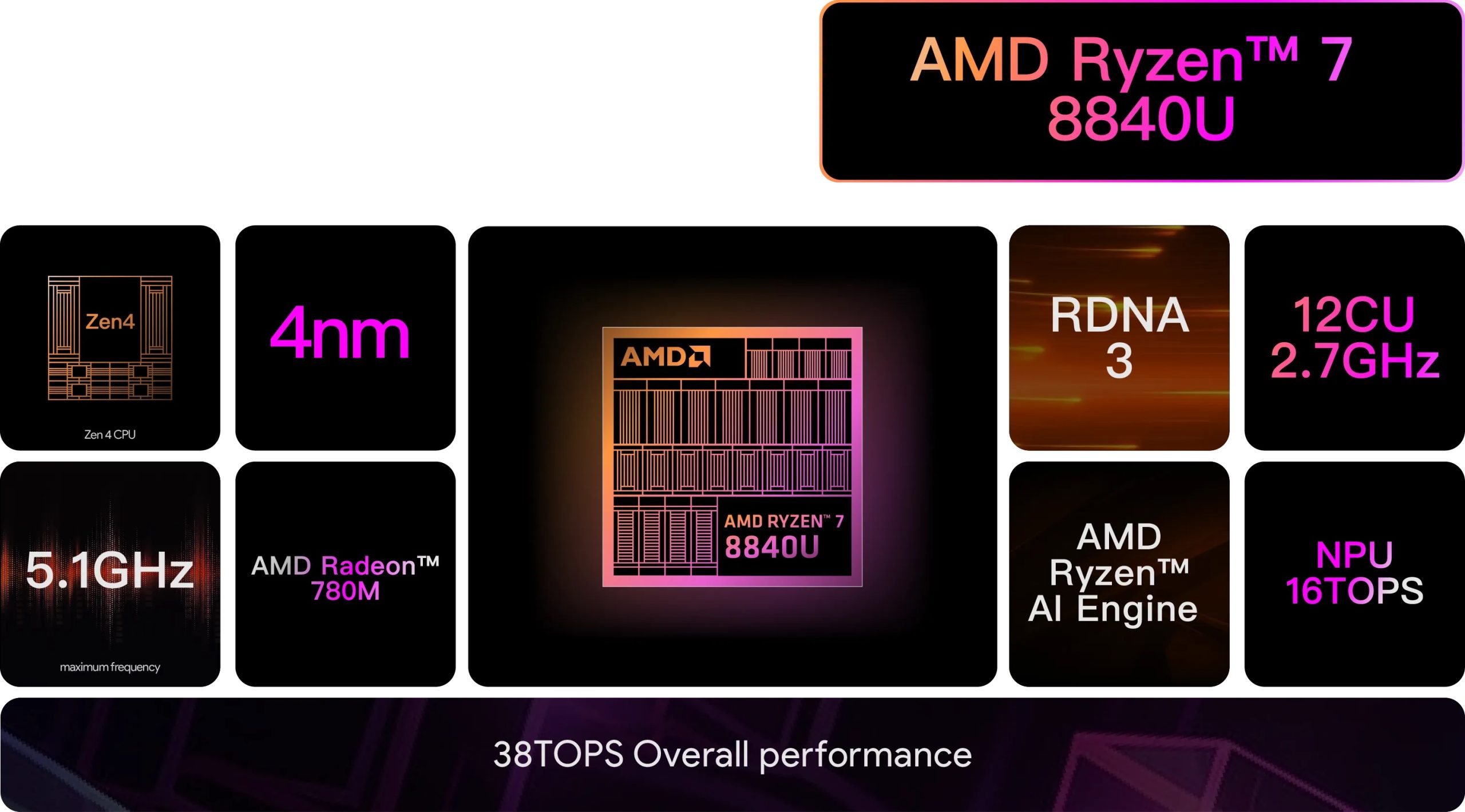
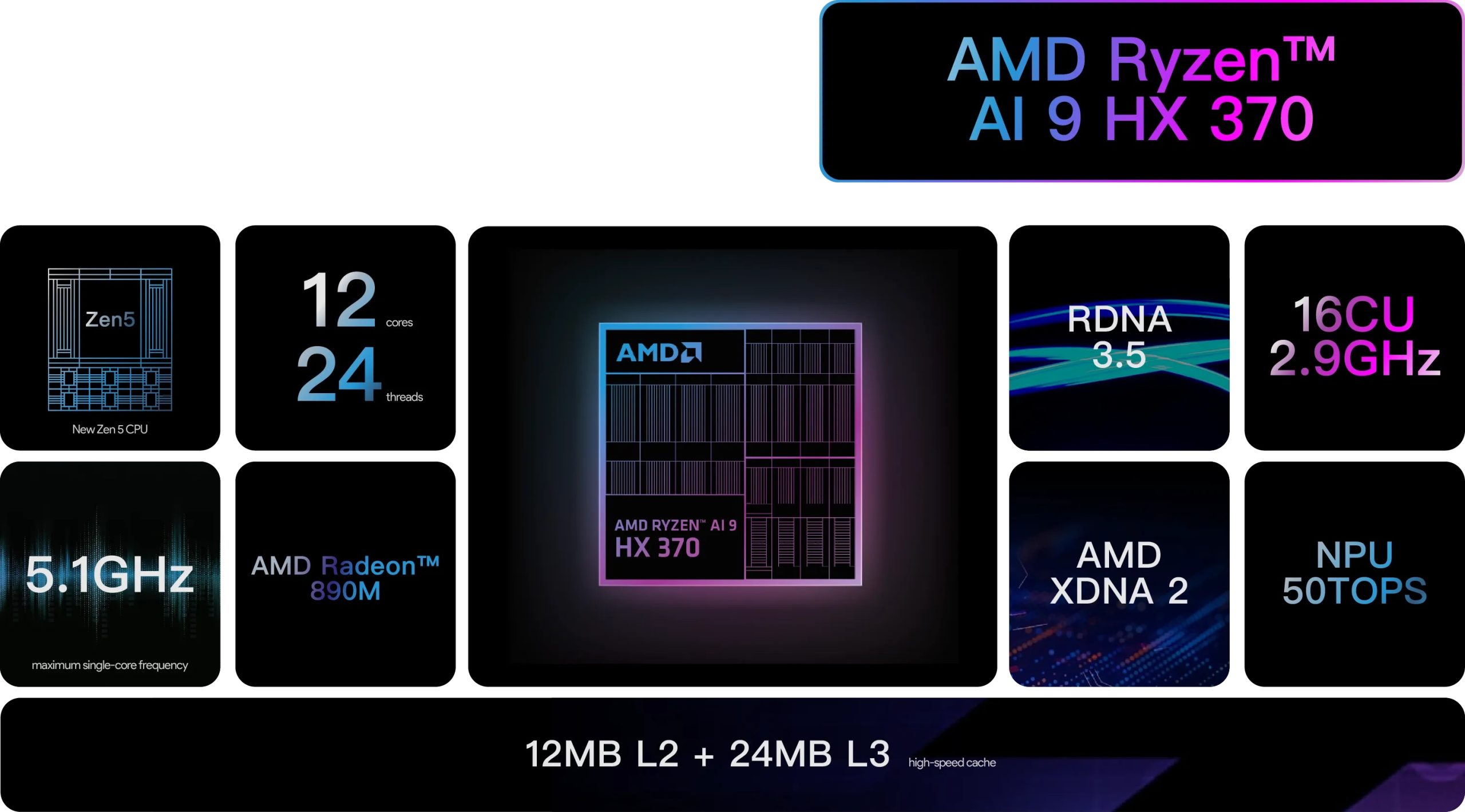
• Processor: AMD Ryzen 7 8840U / Ryzen AI 9 HX 370
• Graphics: Integrated Radeon 780M (or newer)
• RAM: 16GB / 32GB / 64GB LPDDR5X
• Storage: 512GB / 1TB / 2TB / 4TB NVMe SSD
• Display: 7-inch IPS or OLED, 1920×1080 resolution, 120Hz (IPS) / 144Hz (OLED)
• Battery: 49Wh with 65W fast charging
• Connectivity: Wi-Fi 6E, Bluetooth 5.2, USB4, OCuLink, microSD slot
• Operating System: Windows 11
• Weight: Approx. 680g
Introduction
The AYANEO 3 is a bold attempt to redefine handheld gaming, pushing boundaries with modular controls, high-performance AMD chips, and an OLED screen option. With competitors like the Steam Deck OLED, ROG Ally, and MSI Claw in the mix, does this handheld stand out, or is it another niche device with big promises? Let’s find out.

Design & Build Quality
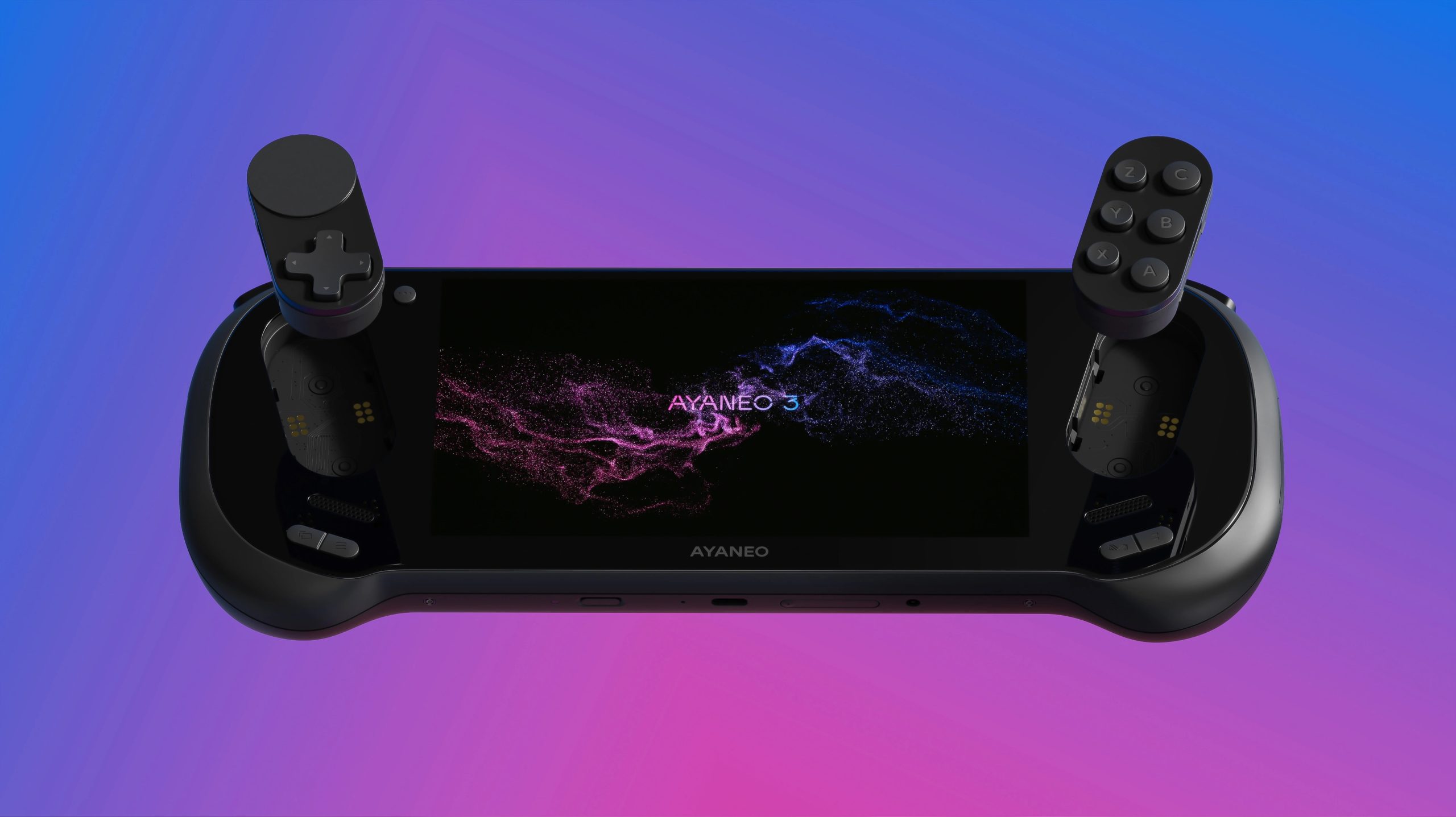
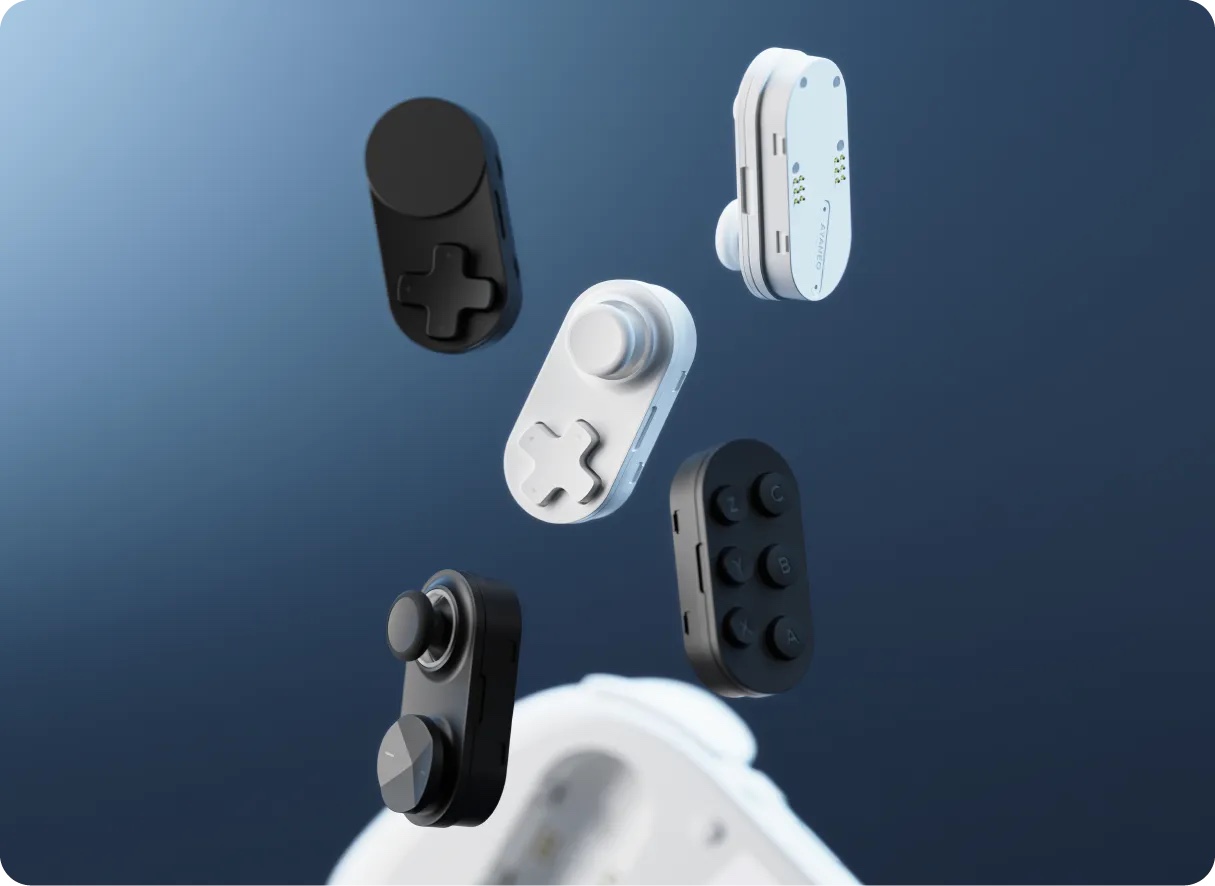
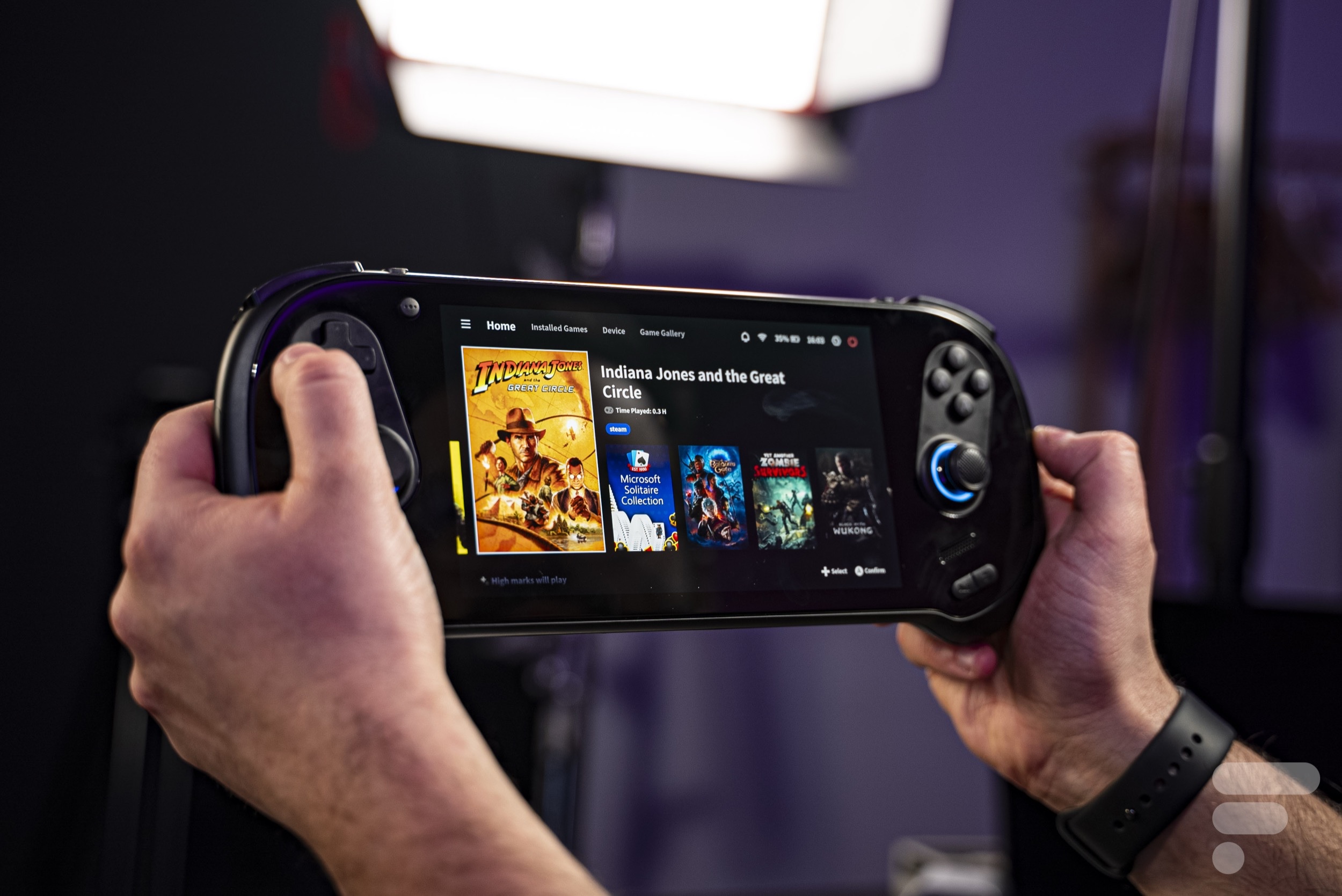
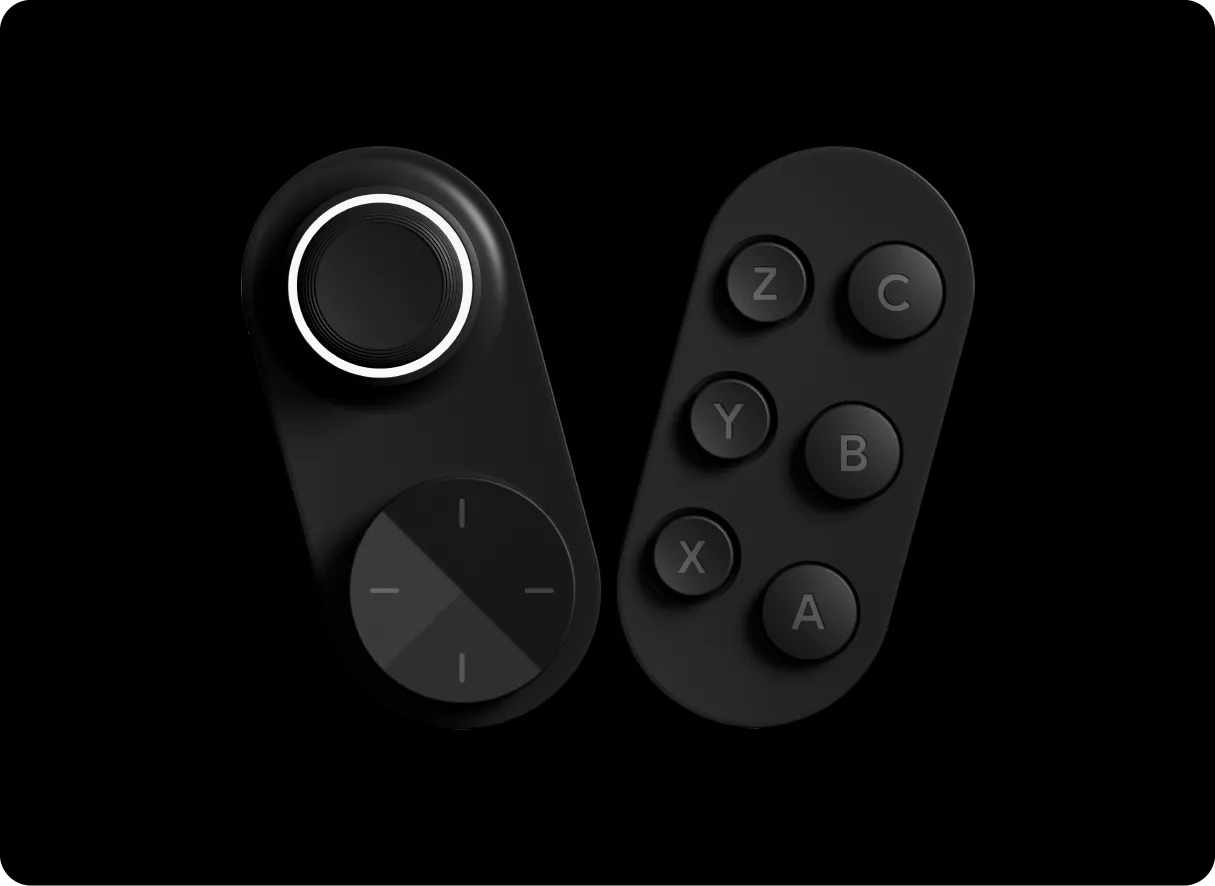
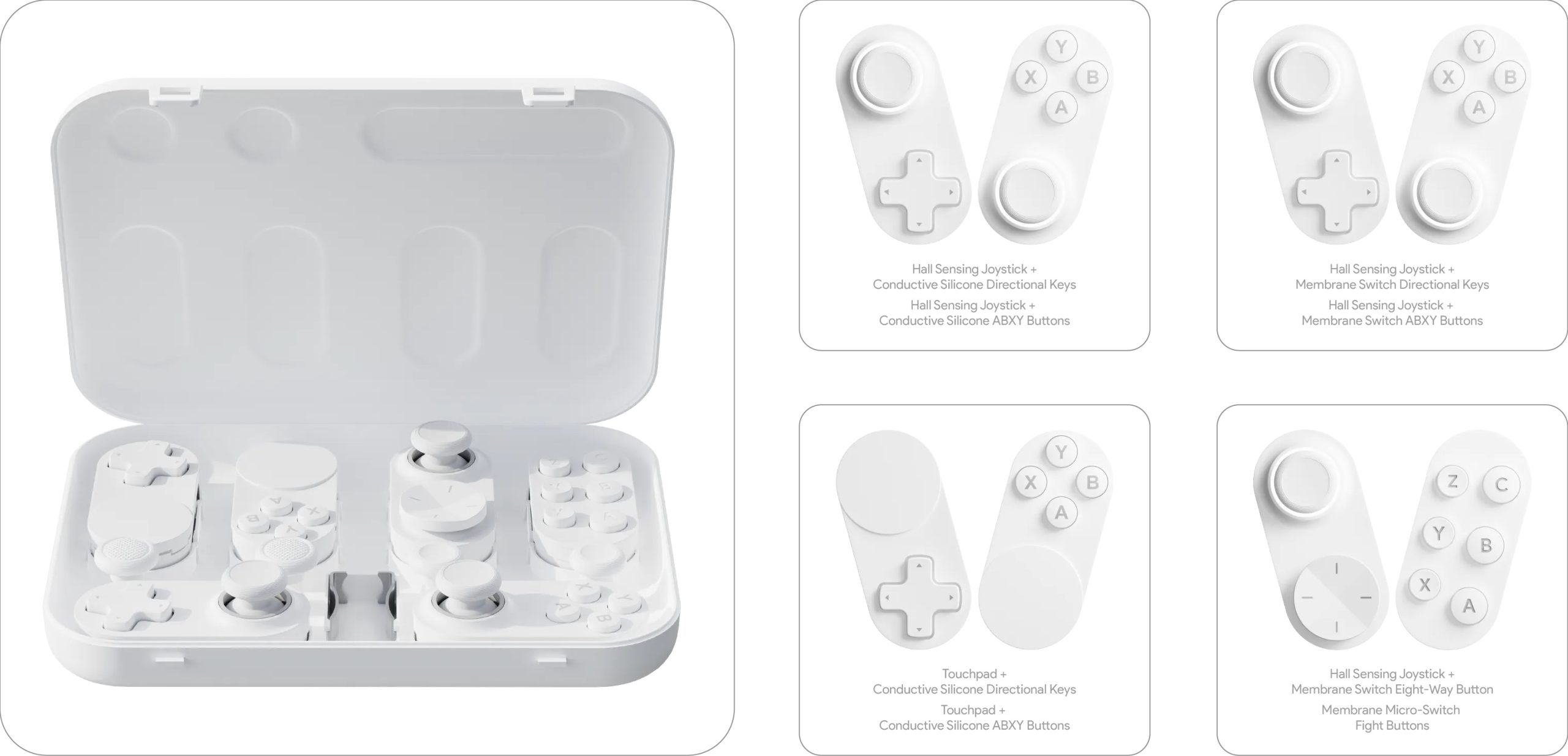
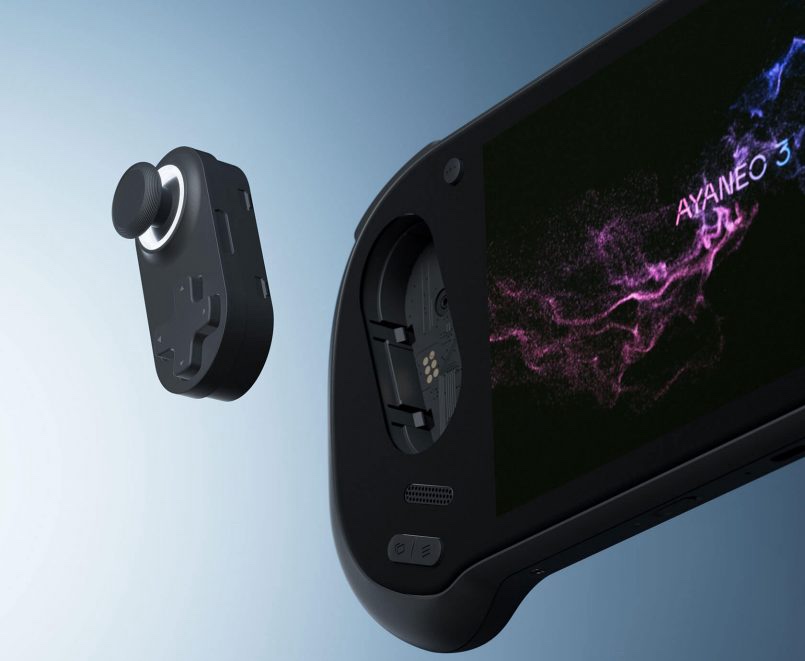
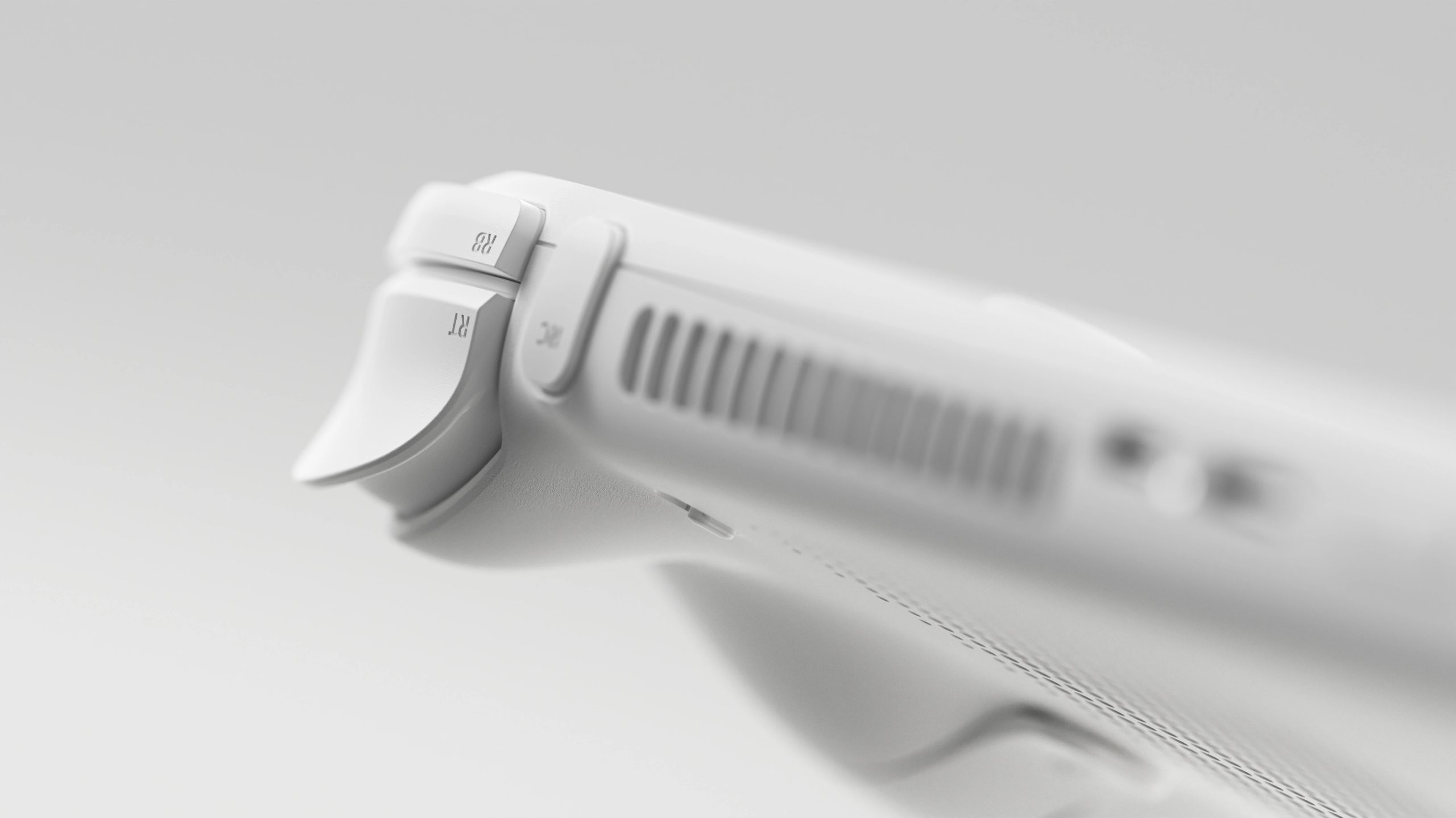
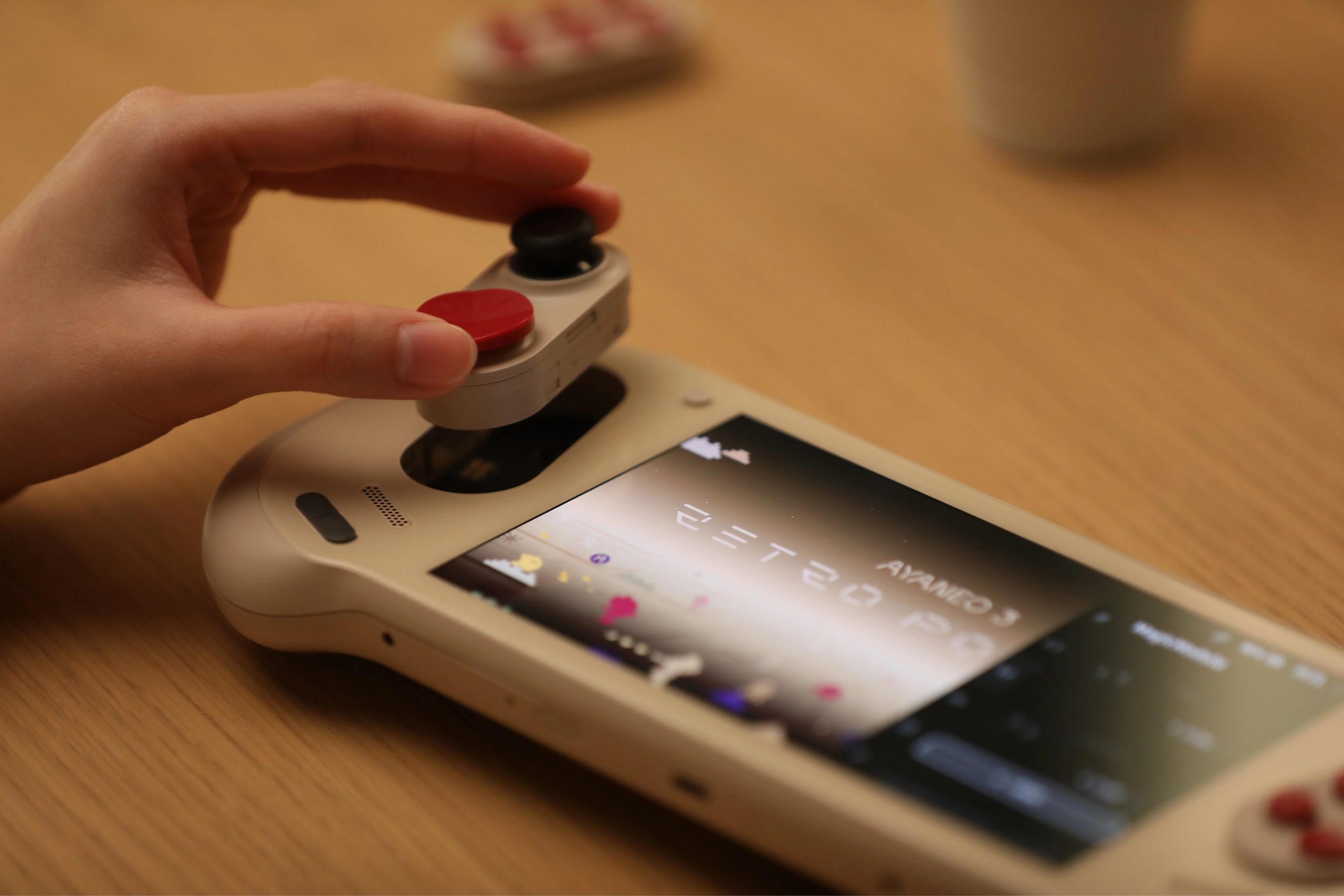
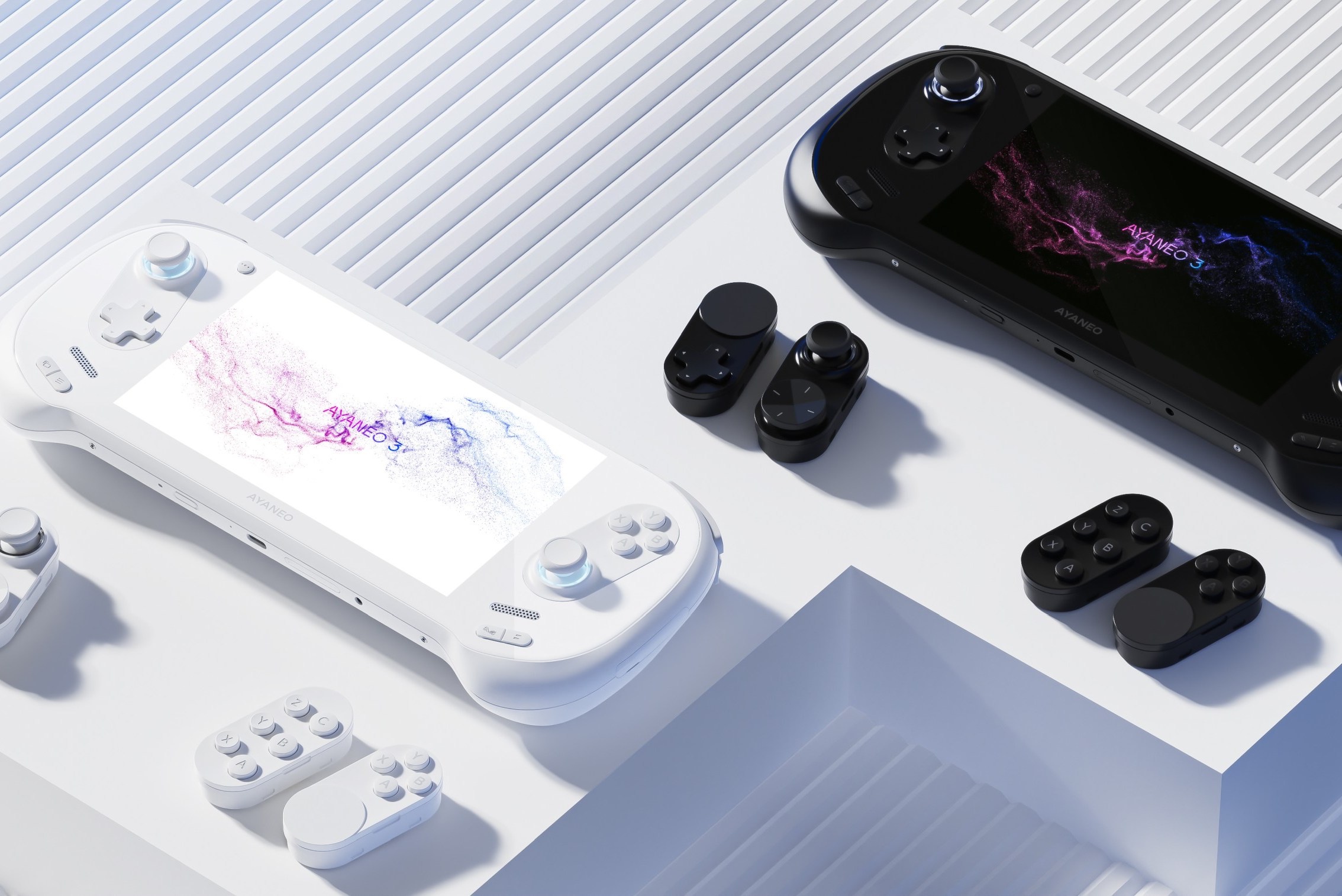
AYANEO has taken design innovation seriously. The most unique feature? Magnetic modular controls. This allows users to swap out joysticks, D-pad, and face buttons without tools, adapting the device to different gaming styles. Whether you need a classic layout for platformers or a fightstick-style module for fighters, the flexibility is a first for handhelds.
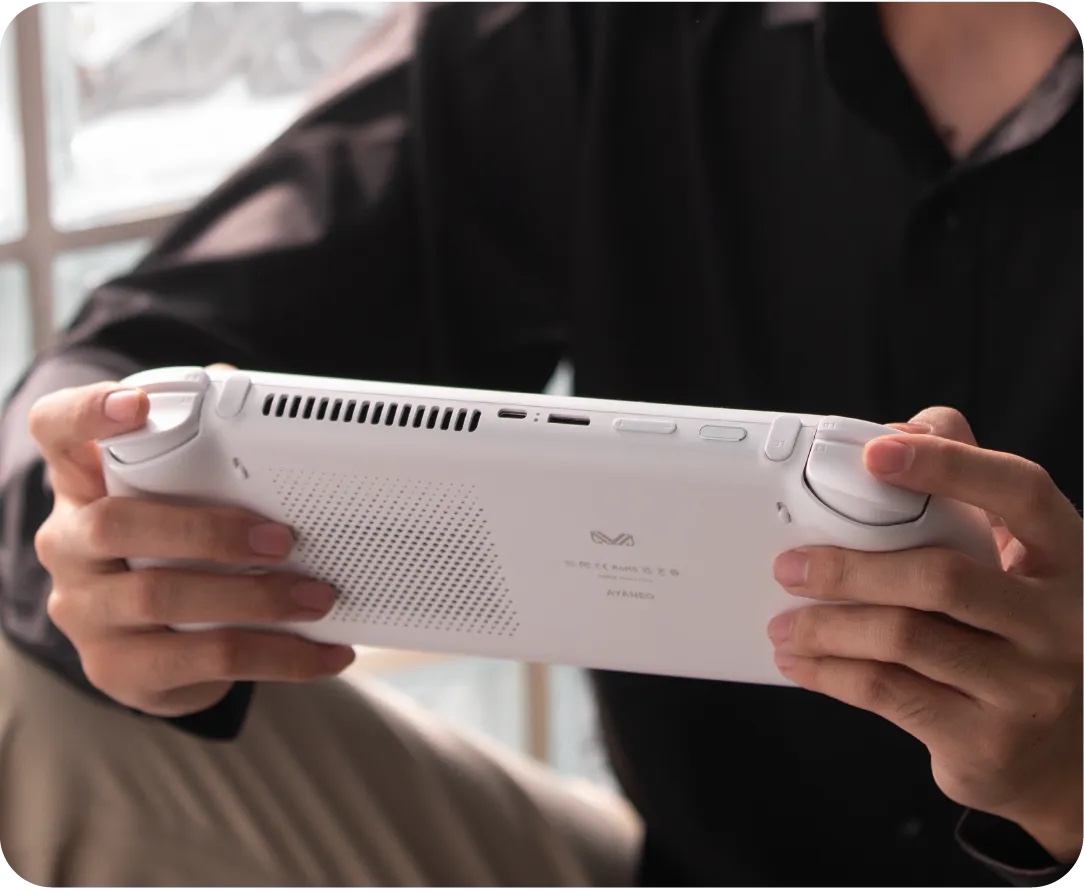
The body is sleek, modern, and feels premium with an aluminum chassis. At 680g, it’s not the lightest, but the ergonomic design makes it comfortable for extended gaming sessions. Unlike the bulky Steam Deck, this feels more compact and refined, closer to a Nintendo Switch in hand.

The OLED model adds to the premium feel, offering deep blacks and vibrant colors, while the IPS version keeps things affordable without compromising too much on quality.
Pros:
✔️ Modular controls offer a unique and customizable experience
✔️ Premium build quality with a sleek aluminum chassis
✔️ Comfortable to hold despite its weight
Cons:
❌ Slightly heavier than some competitors
❌ Modular system could introduce durability concerns



Performance & Gaming Experience
Powering the AYANEO 3 is AMD’s latest Ryzen 7 8840U or the beastly Ryzen AI 9 HX 370, paired with up to 64GB of LPDDR5X RAM. This is overkill for a handheld, but ideal for emulation, AAA gaming, and even productivity tasks.
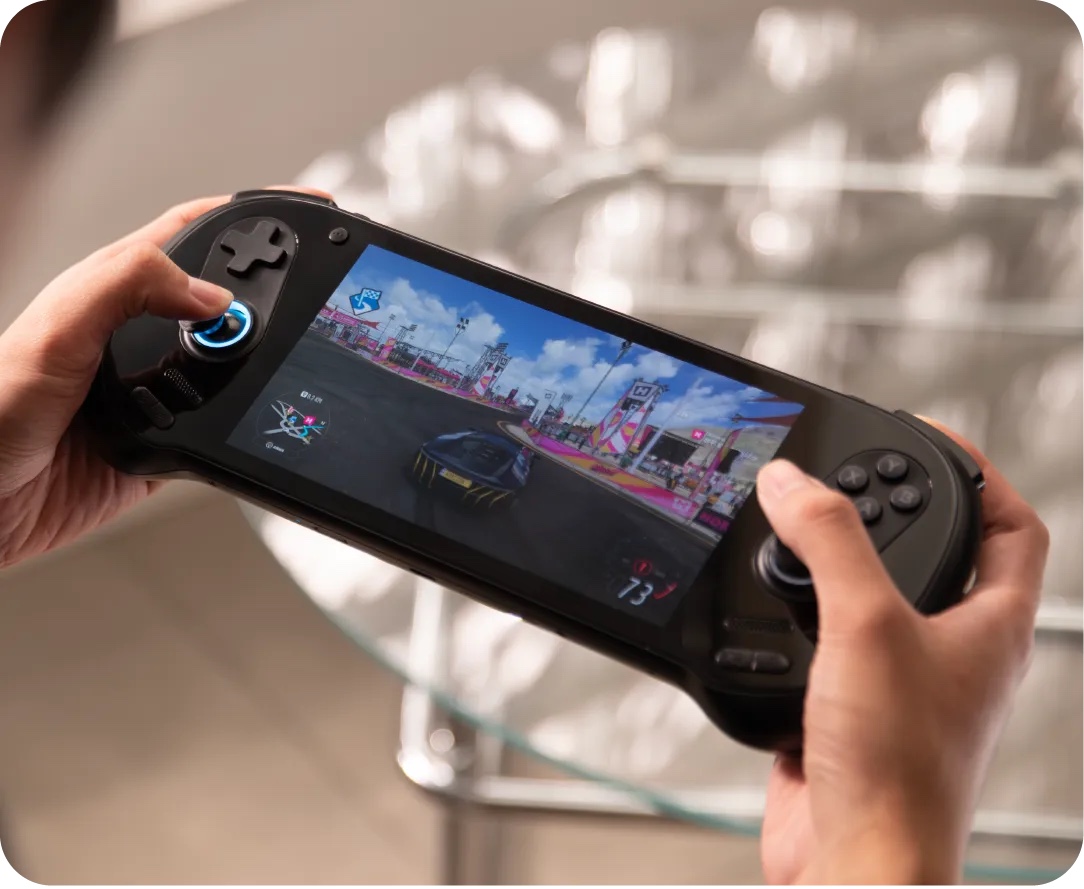
Benchmarking against ROG Ally (Ryzen Z1 Extreme) and Steam Deck OLED, the AYANEO 3 shows impressive gains in CPU-heavy workloads and a solid lead in GPU performance thanks to the Radeon 780M iGPU.
Gaming Benchmarks (1080p, Medium-High settings)
• Cyberpunk 2077: 45-55 FPS (FSR enabled)
• Elden Ring: 50-60 FPS
• Hogwarts Legacy: 40-50 FPS
• Forza Horizon 5: 60+ FPS
• Street Fighter 6: 60 FPS locked
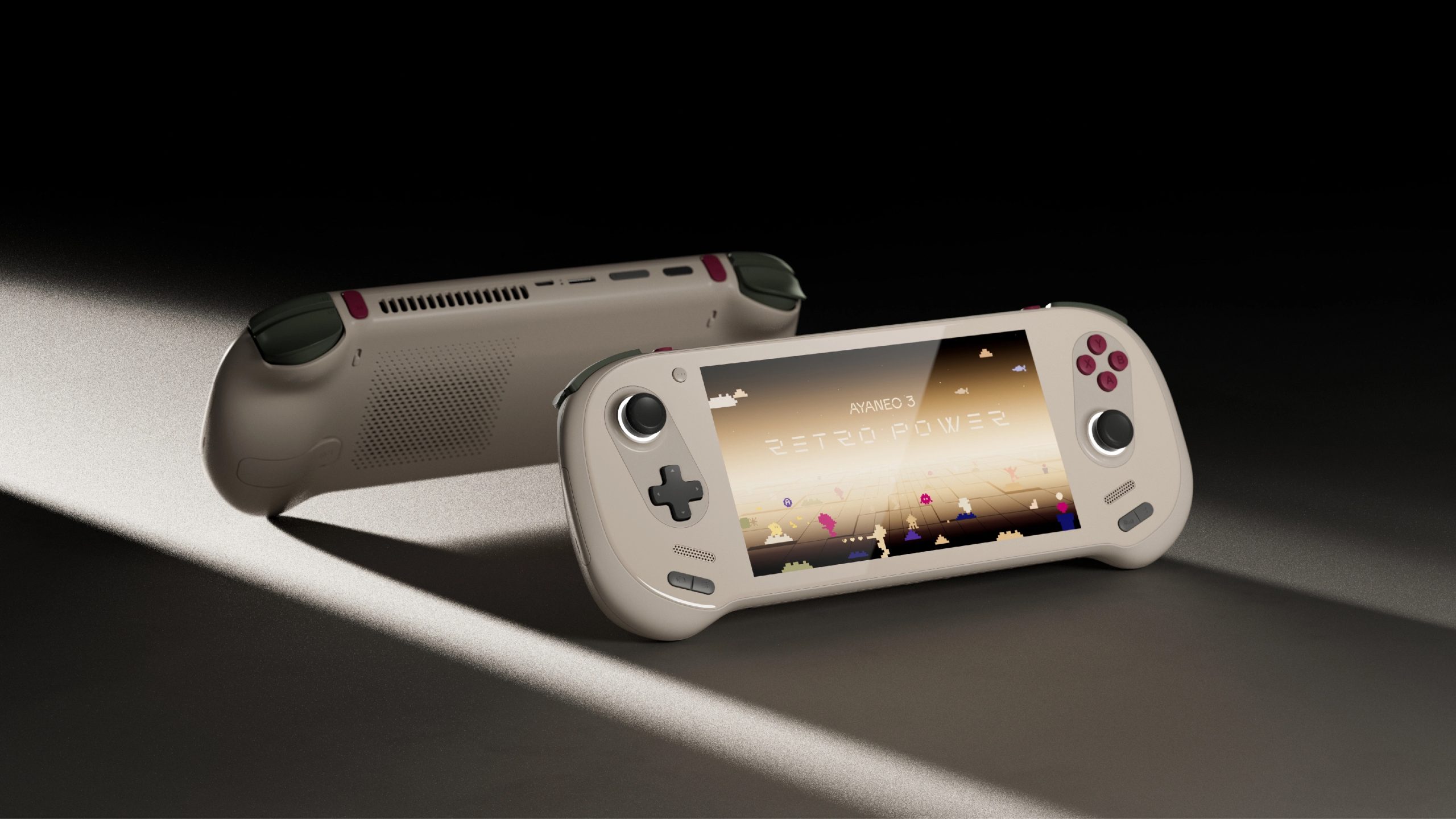
For indie and retro gamers, this is an emulation powerhouse, running PS2, Wii, and even some Switch games smoothly.

Battery Life & Charging
The 49Wh battery is standard for handhelds but still falls into the 2-6 hour range depending on the game. Unlike Steam Deck OLED’s efficiency gains, AYANEO 3 doesn’t have the same power optimizations, meaning battery life can drop fast under heavy loads.
However, the 65W fast charging helps get back in action quickly—a full charge takes about 1 hour.
Battery Life Estimates
• Light gaming (indie, retro, 2D games): 5-6 hours
• AAA gaming (Elden Ring, Cyberpunk 2077, etc.): 2-3 hours
• Emulation (PS2, Switch, GameCube): 3-4 hours
Software & User Experience
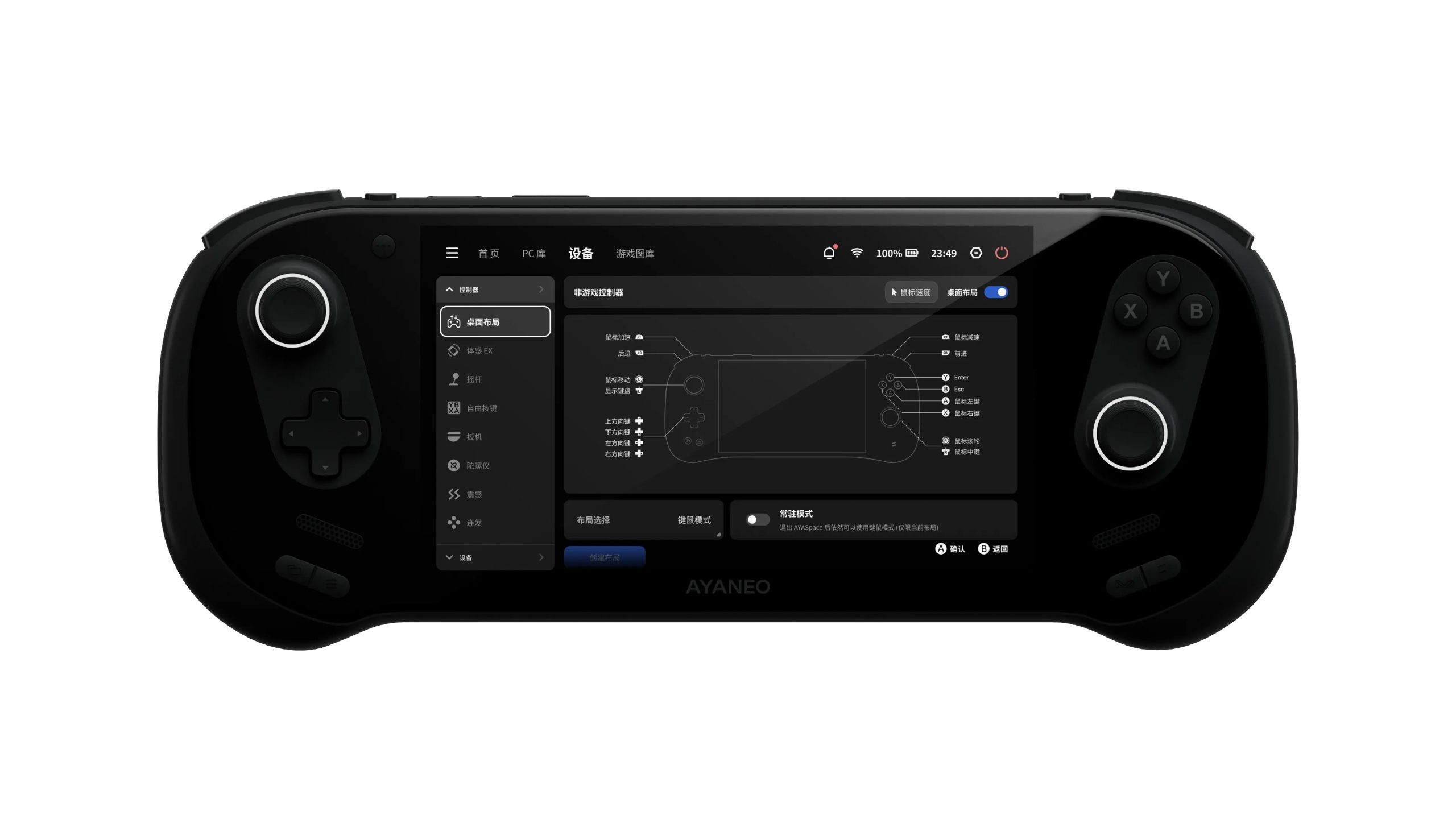
Like most Windows-based handhelds, AYANEO 3 runs Windows 11. While this allows full PC gaming access (including Steam, Epic, Xbox Game Pass), it’s not as streamlined as SteamOS.
The AYANEO launcher helps with game organization and controller mapping, but Windows still feels clunky on a handheld. Expect some tweaking and troubleshooting before getting the best experience.
Ports & Connectivity
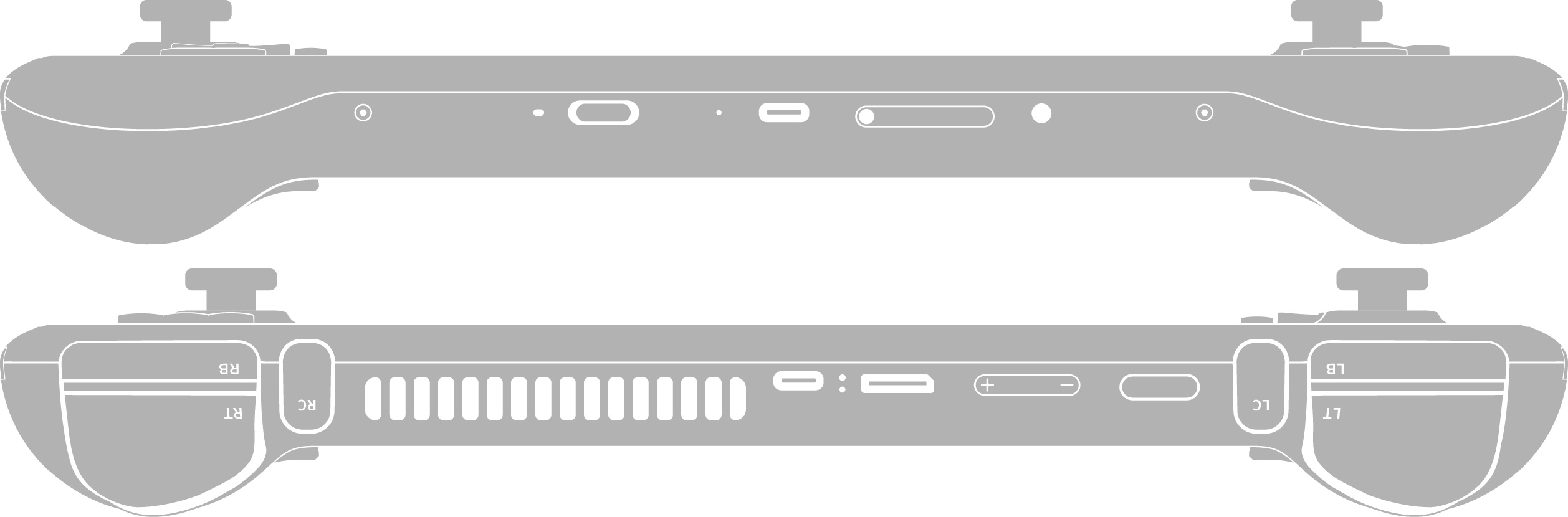
AYANEO 3 goes all-in on expandability:
• 2x USB4 ports for accessories and charging
• 1x OCuLink port for external GPUs (eGPU support!)
• MicroSD slot for expandable storage
• Wi-Fi 6E & Bluetooth 5.2

The OCuLink port is a game-changer, allowing users to plug in an external GPU (eGPU) for desktop-level gaming when docked. This transforms the AYANEO 3 from a portable console into a legitimate mini gaming PC.
Who is AYANEO 3 for?
Ideal for:
✔️ Gamers who want customization (modular controls are unique)
✔️ Tech enthusiasts who love powerful handhelds
✔️ Emulation fans who want PS2, Switch, and retro gaming
✔️ Gamers who dock their handhelds (eGPU support is a plus)
Not for:
❌ Casual users who want a plug-and-play experience (Steam Deck is simpler)
❌ Those looking for long battery life (Steam Deck OLED wins here)
❌ Budget-conscious buyers (ROG Ally and MSI Claw are cheaper)
Pricing & Final Verdict
The AYANEO 3 starts at $699, but high-end configurations go up to $1,599 for 64GB RAM and 4TB SSD. Compared to the $549 Steam Deck OLED and $699 ROG Ally, it’s on the premium side.
Final Rating: 8.5/10
✅ Pros:
✔️ Modular controls for a unique experience
✔️ OLED option for stunning visuals
✔️ Powerful AMD chips for smooth AAA gaming
✔️ OCuLink for external GPU support
❌ Cons:
❌ Expensive compared to competitors
❌ Windows 11 still feels clunky
❌ Battery life isn’t outstanding
If you want maximum power, customization, and future-proofing, the AYANEO 3 is one of the most exciting handhelds of 2025. But for those who prioritize battery life, price, and simplicity, Steam Deck OLED or ROG Ally may be better alternatives.