When tech meets art — and it’s powered by a Raspberry Pi 5
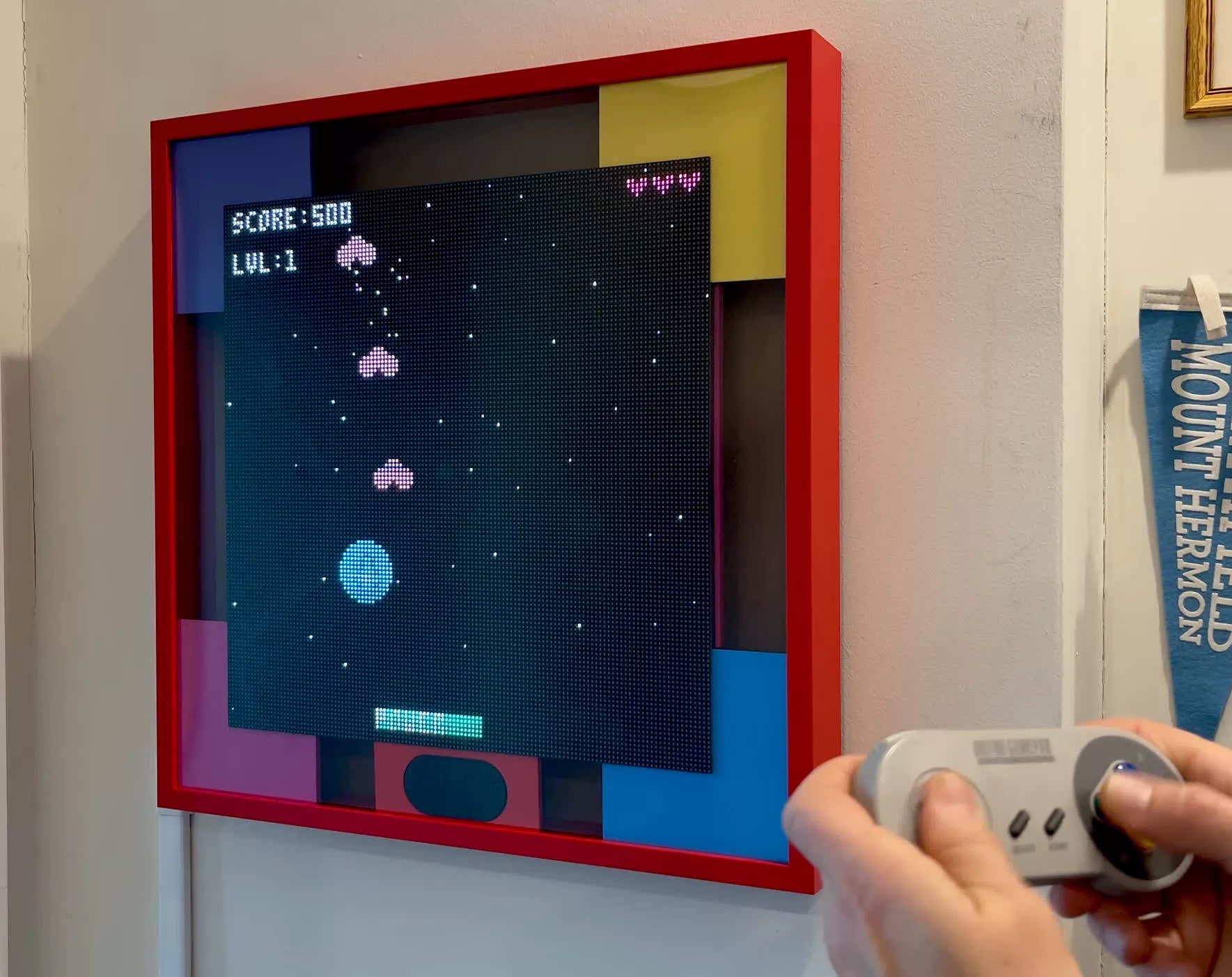
Every now and then, the tech world throws us a curveball so charming that even the most hardened hardware heads can’t help but smile. Enter the Raspberry Pi 5 — not powering a server, a robot, or a retro console this time, but instead breathing life into a vibrant 128×128 pixel art installation. Yup, this isn’t your average maker project. It’s digital creativity in full bloom.
So what’s the deal with this pint-sized piece of pixel magic? And why is everyone talking about it?
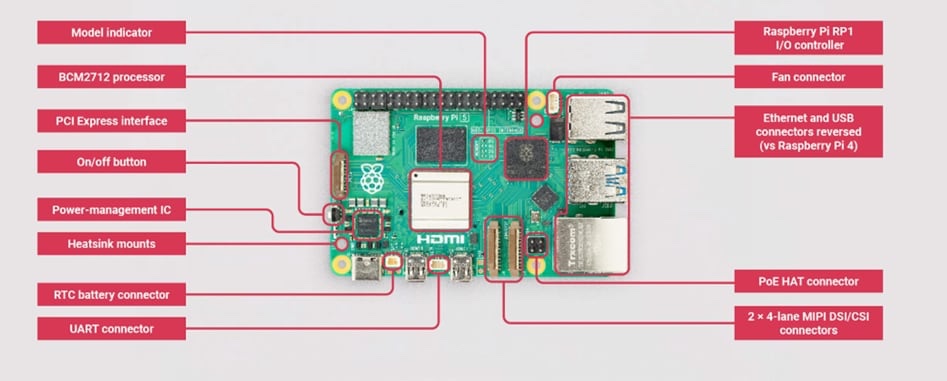
Tech Behind the Magic: The Specs & Setup
The installation, created by engineer James “Jim” Park, uses the Raspberry Pi 5 as the brain behind a 128×128 LED matrix. Here’s a quick look under the hood:
Computer: Raspberry Pi 5 (4GB or 8GB variant)
Display: 128×128 LED matrix panel
Driver: rpi-rgb-led-matrix library for real-time rendering
Power Supply: Custom-regulated to handle panel current
Code: Custom Python script pulling random pixel art in real-time
Despite the modest resolution, the visual output is mesmerizing — reminiscent of vintage arcade aesthetics, glitch art, and low-res cyberpunk all rolled into one.
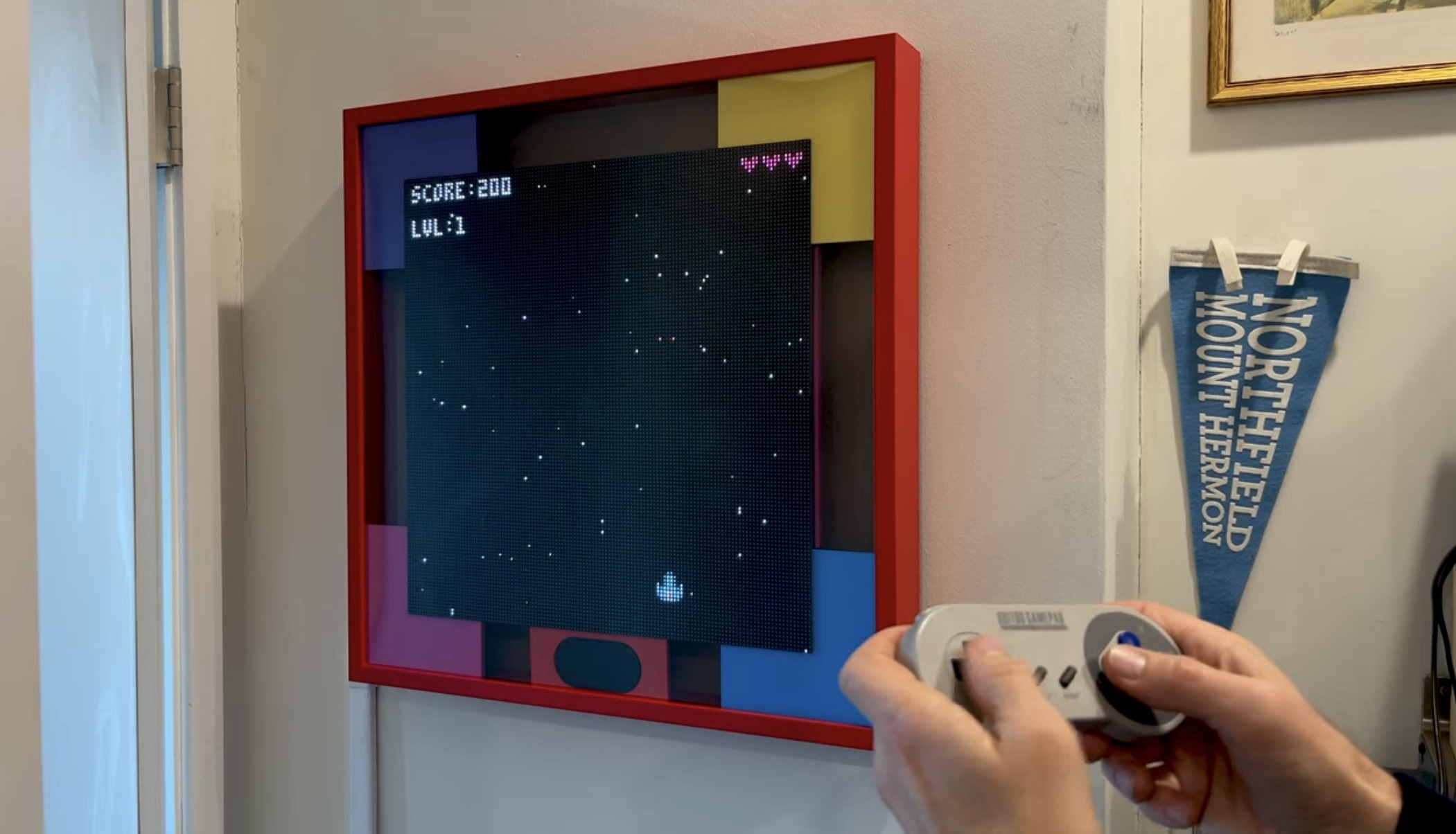
Design Meets Engineering: Retro, Minimal, Gorgeous
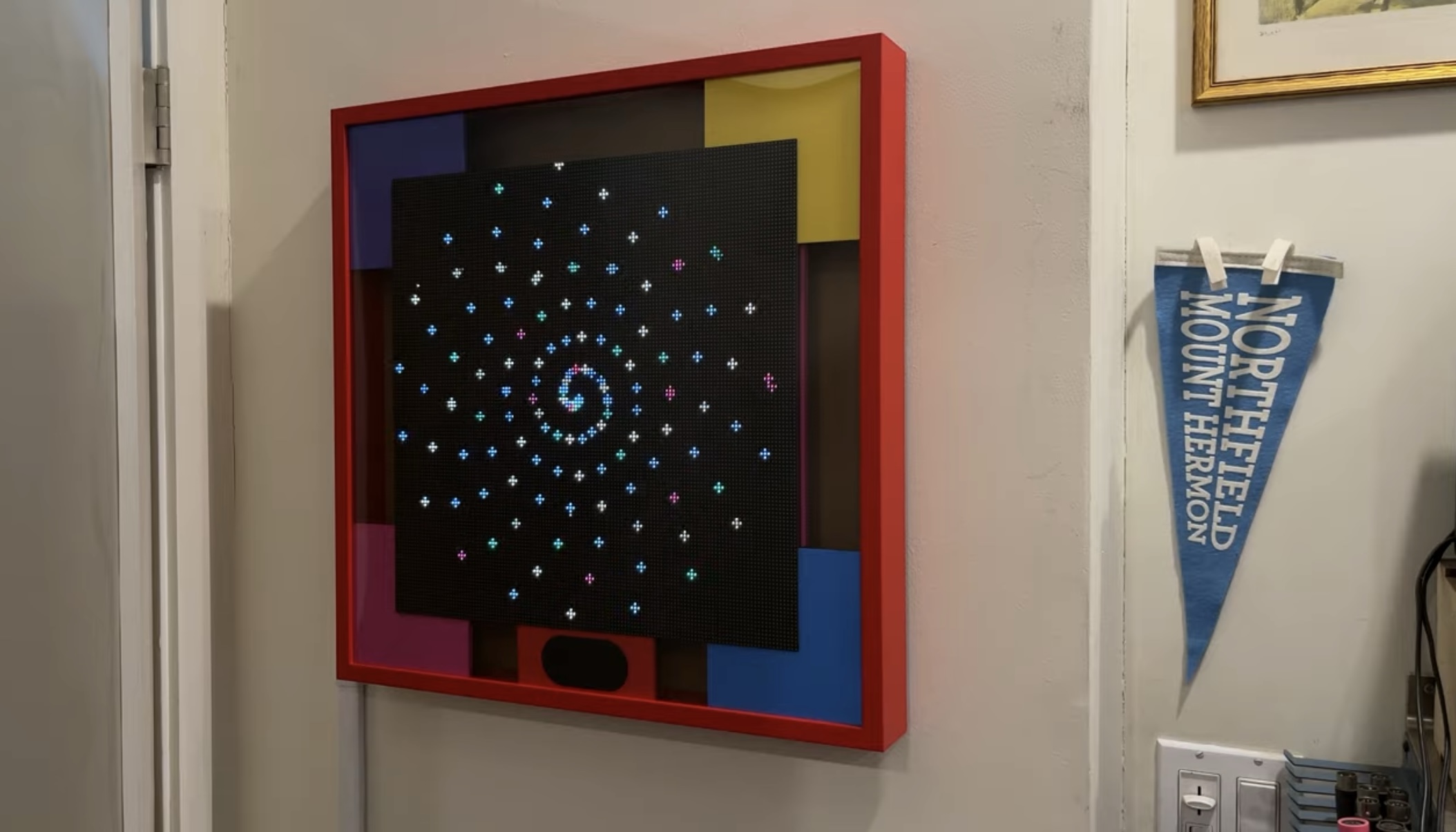
There’s something striking about 128×128 pixels dancing in perfect harmony. The LED grid is mounted on a custom frame, with clever cable management that makes the whole thing look like a functional museum piece. It glows, pulses, and lives — like pixel art from the ‘90s made sentient.
Holding a physical presence that’s almost Blade Runner meets Minecraft, this setup blends tech minimalism with geeky nostalgia. And it works.
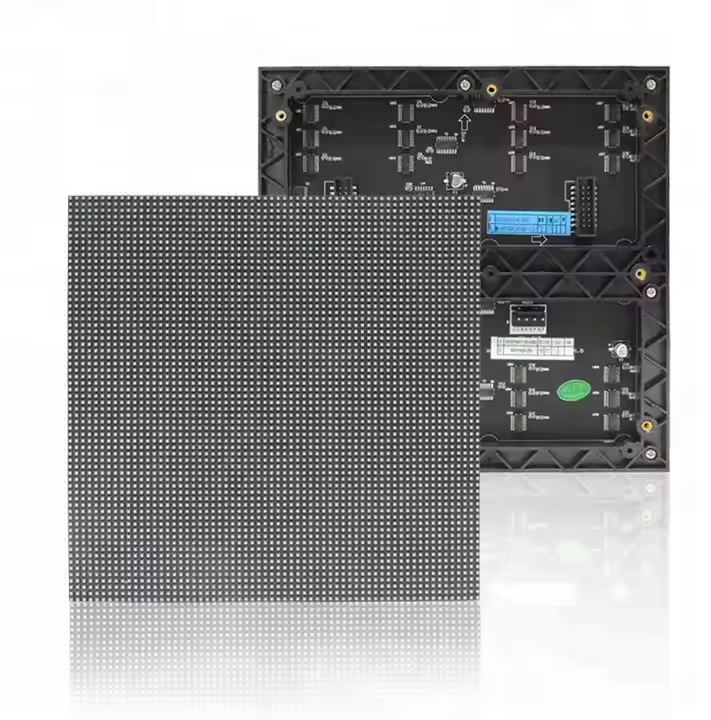
From Code to Canvas: Real-Time Art Generation
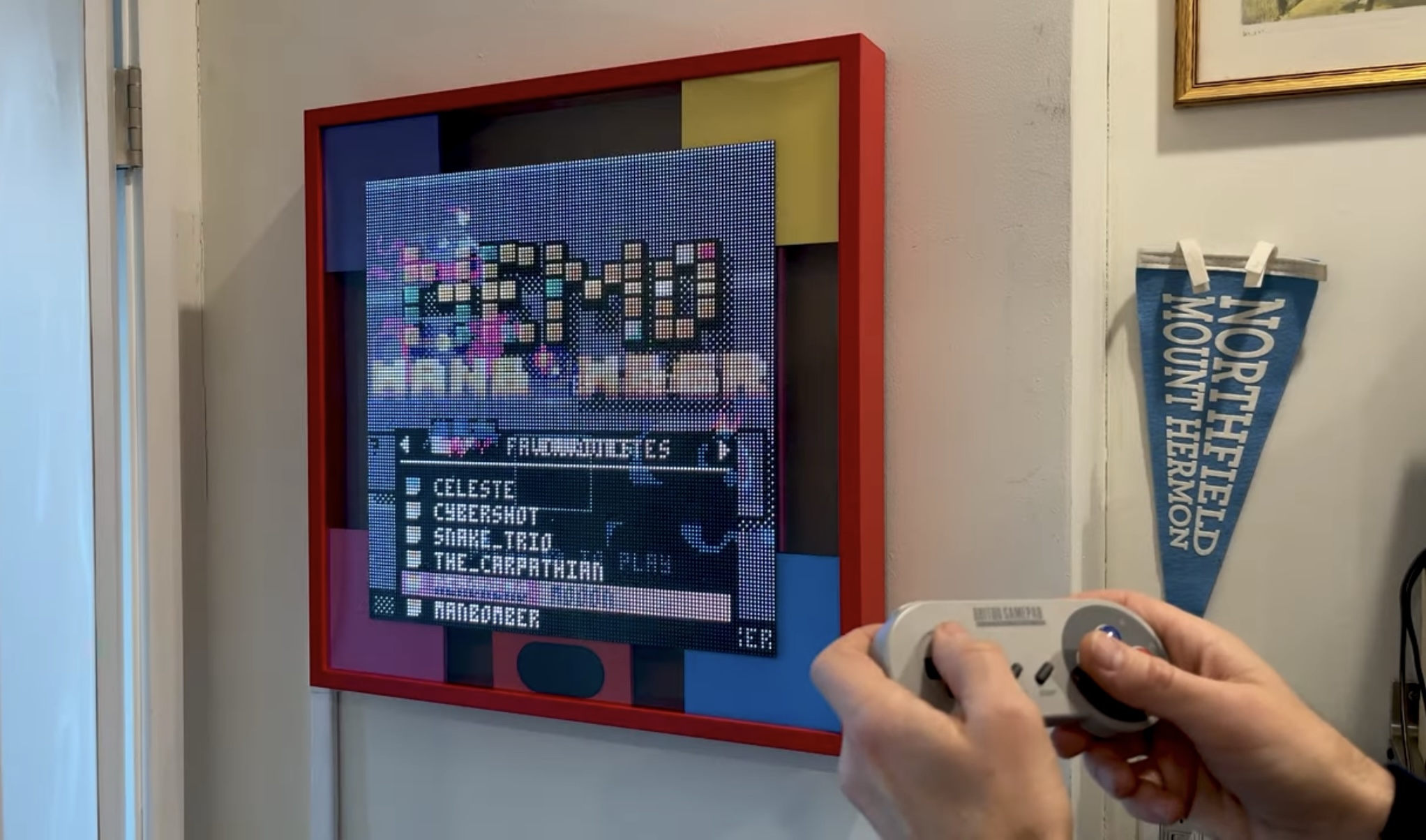
This isn’t a static loop of animations. The Raspberry Pi 5 is dynamically rendering pixel art, feeding it to the panel in real time. The project uses a Python-based loader that pulls from a curated folder of artwork or connects to online sources to display fresh, rotating visuals — think pixelated cats, street signs, surreal landscapes, and chaotic memes.
In short, it’s a living, breathing digital art gallery — one pixel at a time.
Performance Check: Can a Pi Handle This?
Absolutely — and then some.
Thanks to the quad-core Cortex-A76 processor and upgraded GPU, the Pi 5 easily maintains smooth frame updates, handles power delivery, and syncs animations without a hitch. There’s zero lag, even as image sources rotate or the LED panel runs complex transitions.
It’s not just a fun project — it’s a stress test, and the Pi 5 passes with flying (RGB) colors.
Availability & Price
The Raspberry Pi 5 is widely available now via official distributors and Raspberry Pi resellers. Pricing as of 2025:
4GB model: Around $60 USD
8GB model: Around $80 USD
The LED matrix itself and wiring can be sourced for under $100, making the entire project very affordable for hobbyists and educators.
Final Verdict: The Joy of Blinking Pixels
Sometimes, tech reviews are about benchmarks, specs, and serious productivity. Not today.
This Raspberry Pi 5–powered art piece is a love letter to DIY culture, to low-res creativity, and to the idea that computers can make art — not just process it. It’s a reminder that in a world chasing 4K and AI, 128×128 pixels can still make magic.